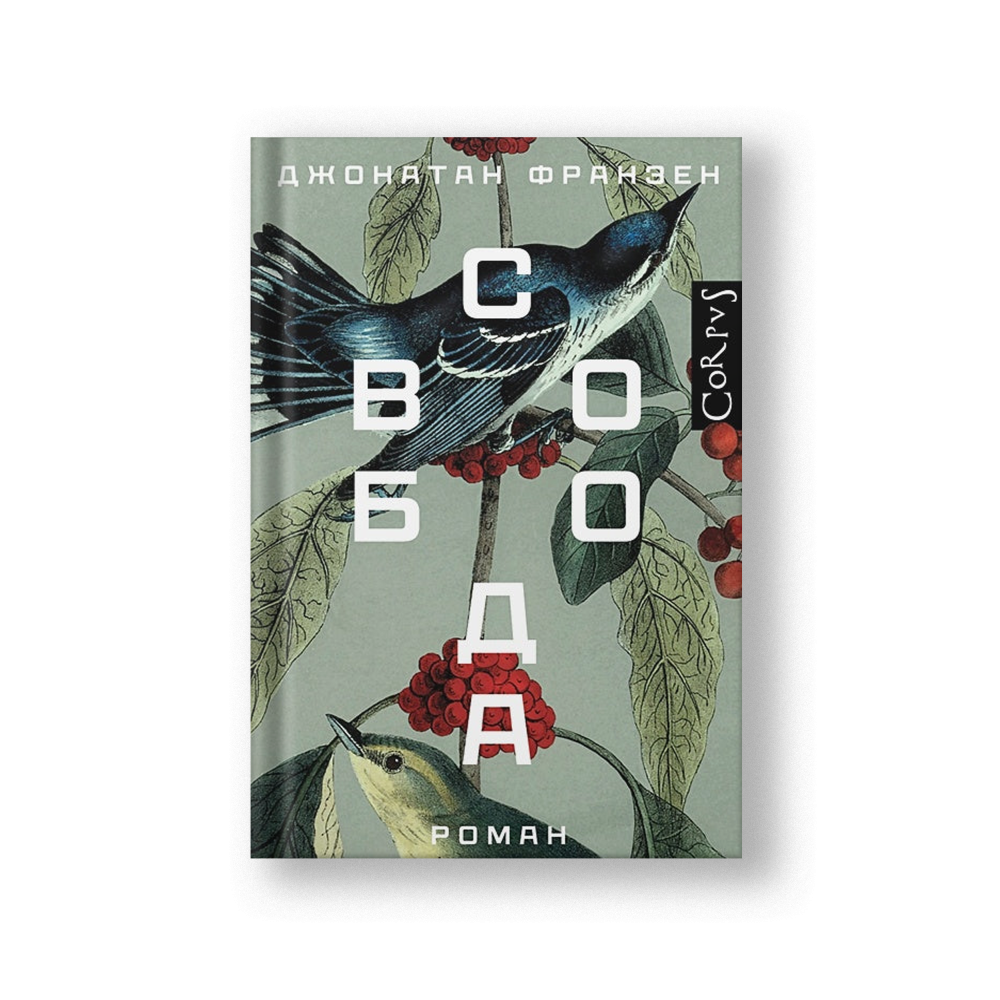
Patty marries Walter Berglund right after university, but she can't completely forget his best friend, Richard. Nevertheless, the Berglunds are happy. They are democratic, environmentally friendly, and free of prejudice. Walter is a kind and supportive husband and a model father. Patty was an exemplary student and athlete, and after marriage, she becomes an equally exemplary wife, mother, and neighbor. But Jonathan Franzen won't write a book about a happy family, and the couple is destined to endure many trials.
We know many novels where the main obstacle to love is a monotonous and burdensome routine. In this novel, on the contrary, such an obstacle is freedom of choice. A person is free to leave whenever he wants, but by breaking out of one set of circumstances, he invariably finds himself in another.
On the one hand, the author considers the institution of the family as a mechanism for depriving oneself of freedom, and on the other, he raises the question of whether freedom is possible at all. For example, how free is a child from repeating their parents' behavior patterns? Franzen explores how one particular family addresses these questions, while simultaneously revealing the dreams and disappointments of an entire generation of Americans born in the 1960s.