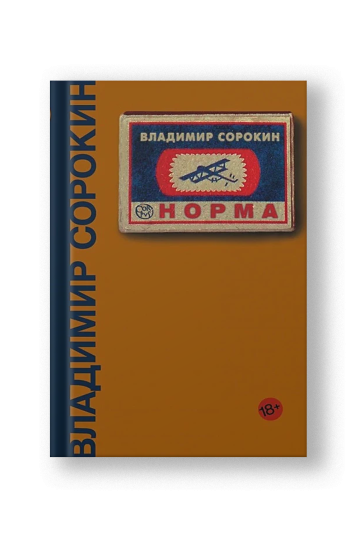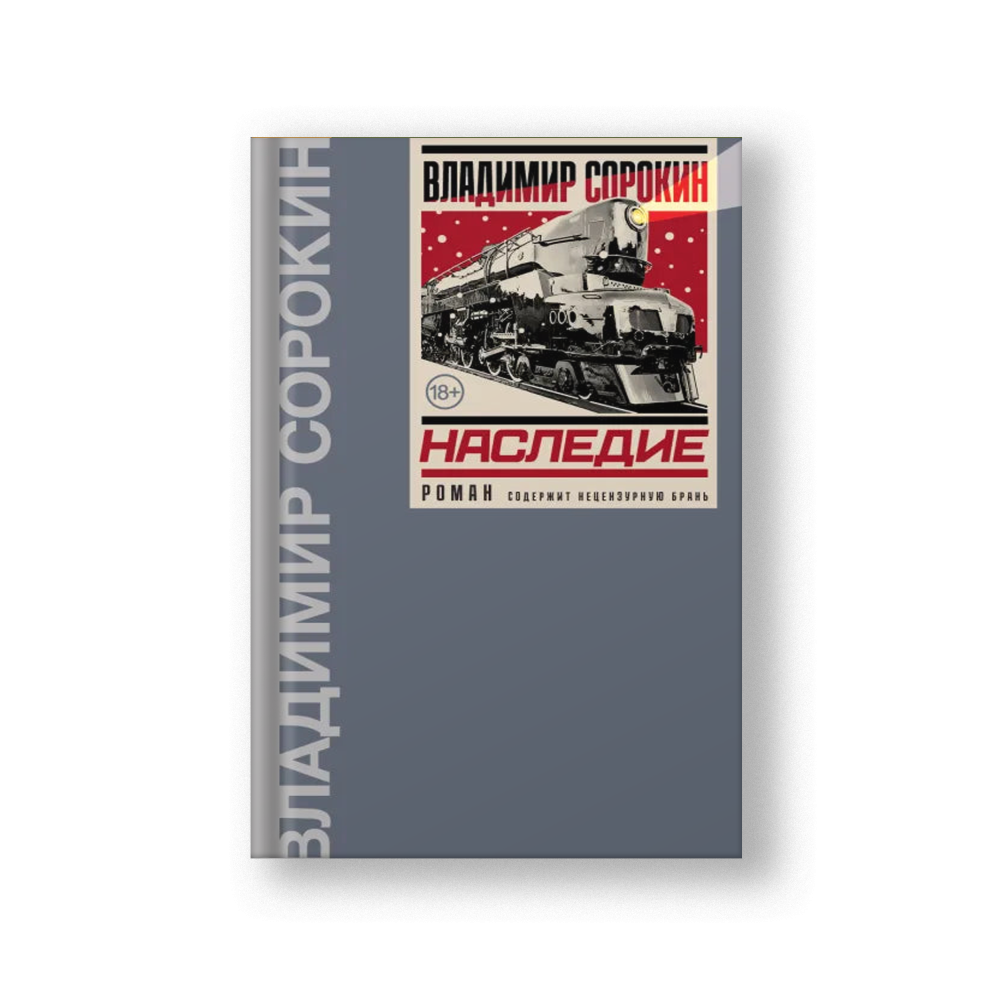
Vladimir Sorokin, author of the acclaimed novels 'Blue Lard' and 'Norma,' in the final part of the Doctor Garin trilogy, depicts a post-apocalyptic future scarred by the aftermath of nuclear war. The aftermath of the catastrophe has yet to be erased, and the world has become only a distant fantasy, unattainable due to all-consuming violence and chaos. And yet, the miraculous doctor, changed beyond recognition, remains an undeniable example of dignity and humanity even amidst the general decay and despair.
The train, a symbolic motif in Russian literature, becomes a terrifying metaphor for a cruel era. Its movement, spurred by monstrous human sacrifice, embodies the hopelessness and futility of such an empty existence.
Despite the prevailing gloom, humanity still has a glimmer of hope. Doctor Garin and his mysterious descendants become utopian symbols of the rebirth of civilization and show that even such a mad and chaotic world still has a chance for a better future.
Abstract
The future has come and gone, nuclear war is almost forgotten, not everyone survived, and those who did will never be the same. The peace treaty did not lead to peace: violence has become the norm and a necessity, tolerance for it more contagious than the Bolivian virus.
In the final part of the Doctor Garin trilogy, Vladimir Sorokin depicts the next, even more distant stage of post-apocalyptic decay. But its reality, paradoxically, seems far more recognizable. True, we don't get to know the main character right away, but he remains, as befits a doctor, an example of dignity and humanity.
The train, an invariable image connecting Russian, Soviet, and post-Soviet literature, travels from east to west. Its fuel is people, not metaphorically, but literally, and they have nowhere else to run. But the wonderful doctor and his unusual heirs give hope that the distraught world has not only an end, but also a happier continuation.
Authors: Vladimir Sorokin