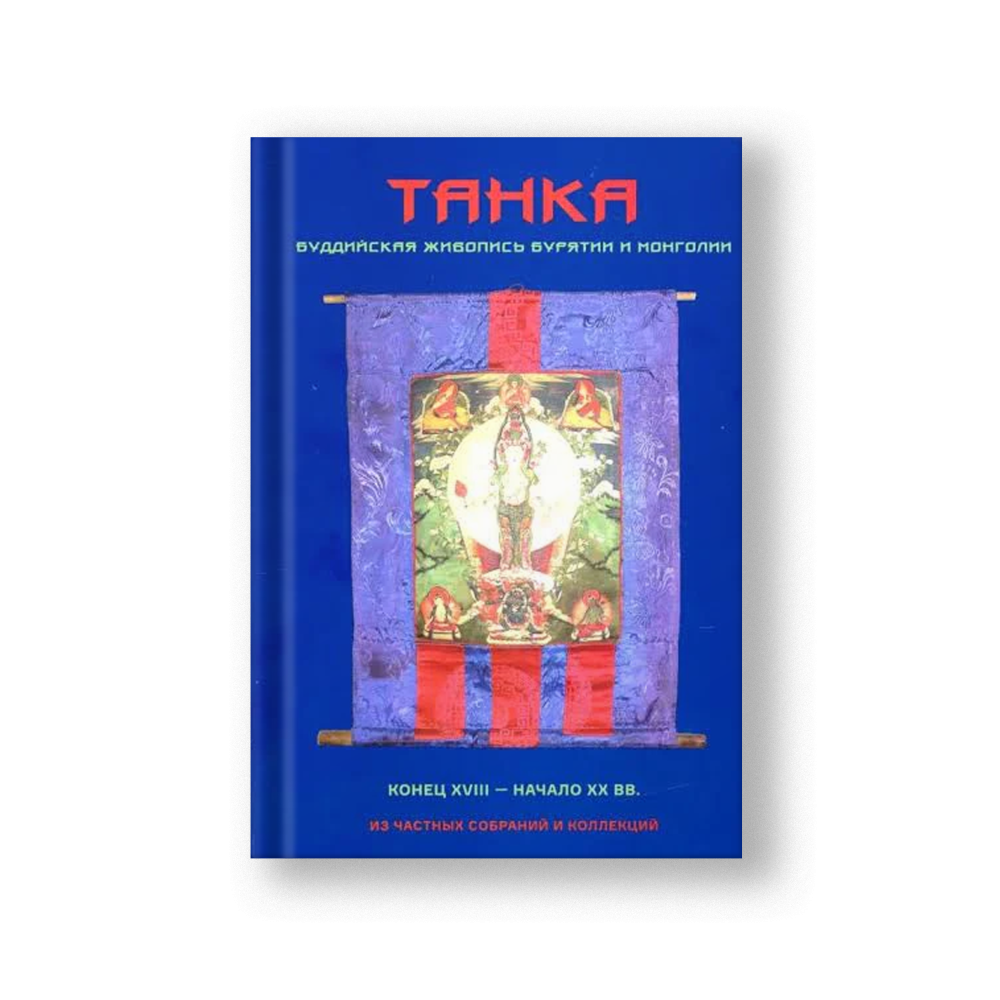
Thangka painting is a vital part of Buddhist art and the life of the Diamond Vehicle Buddhists—Vajrayana, a tradition common in Tibet, Nepal, Mongolia, and some regions of Russia, including Buryatia, Tuva, and Kalmykia. Each image depicted is not only a depiction of a deity, an object of imitation, or a symbol of faith, but also an open gateway connecting a person through contemplation and inner connection with the sacred world. Thangka painting is a mirror of inner perfection, and its creation, using complex mineral paints, is perceived as a spiritual journey toward complete liberation. Not a single ritual in Tibetan Buddhism has been or is complete without these images. They are used during temple services to connect with an enlightened being and a root teacher, as well as in lay practice to appeal to higher powers for well-being, health, and long life.
This art-historical album is made up of 250 unknown works, primarily by Buryat and Mongolian artists from the late 18th to early 20th centuries, held in private collections of Eastern art connoisseurs. It also differs from other publications in its unique commentary, which focuses on the spiritual development of the tanka artist and examines the influence of early religious cultures on the formation and spread of Tibetan Buddhism.
For ethnographers, religious scholars, art historians, and a wide range of readers interested in Buddhism and the art of the peoples of Central Asia and Southeastern Siberia.