Anna Akhmatova
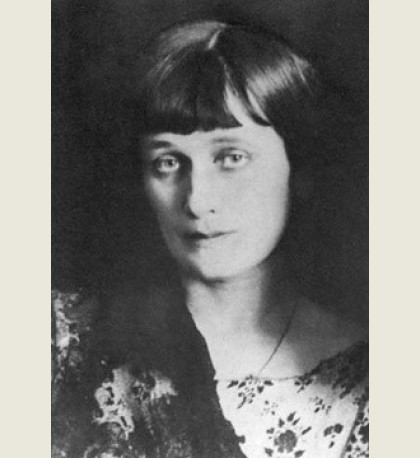
Anna Akhmatova (born Anna Gorenko; by her first husband, Gorenko-Gumileva; after the divorce she took the surname Akhmatova; by her second husband, Akhmatova-Shileiko; after the divorce, Akhmatova) was a Russian poet of the Silver Age, translator, and literary scholar, one of the most significant figures in 20th-century Russian literature. She was nominated for the Nobel Prize in Literature in 1965 and 1966.
Three people close to her were subjected to repression: her first husband, , was executed in 1921, after their divorce; her third husband, , was arrested three times and died in a camp in 1953; her only son, , spent more than 10 years in imprisonment in the 1930s–1940s and 1940s–1950s. The suffering of the wives and mothers of “enemies of the people” was reflected in one of Akhmatova’s most significant works — “Requiem” by Anna Akhmatova
Recognized as a classic of Russian poetry as early as the 1920s, Akhmatova later became subject to suppression, censorship, and persecution (including the 1946 Central Committee decree of the All-Union Communist Party (Bolsheviks), which was not revoked during her lifetime); many of her works were not published in her homeland not only during her lifetime, but for more than two decades after her death. At the same time, Akhmatova’s name was surrounded by fame among poetry admirers both in the USSR and in emigration during her lifetime. She was born in the Odessa district of Bolshoi Fontan into the family of hereditary nobility, A. A. Gorenko, a retired naval mechanical engineer who, after moving to the capital, became a collegiate assessor, an official for special assignments in the State Control. Her mother, Inna Erazmovna Stogova, was distantly related to
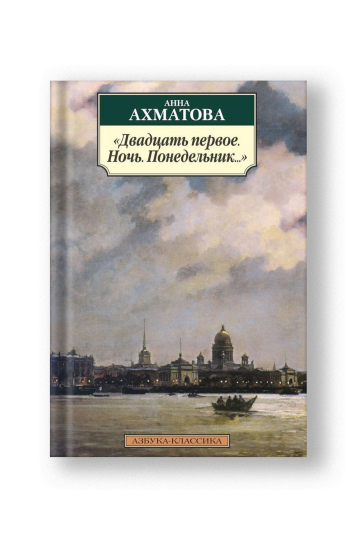
Books


Didn't find the book you were looking for?
