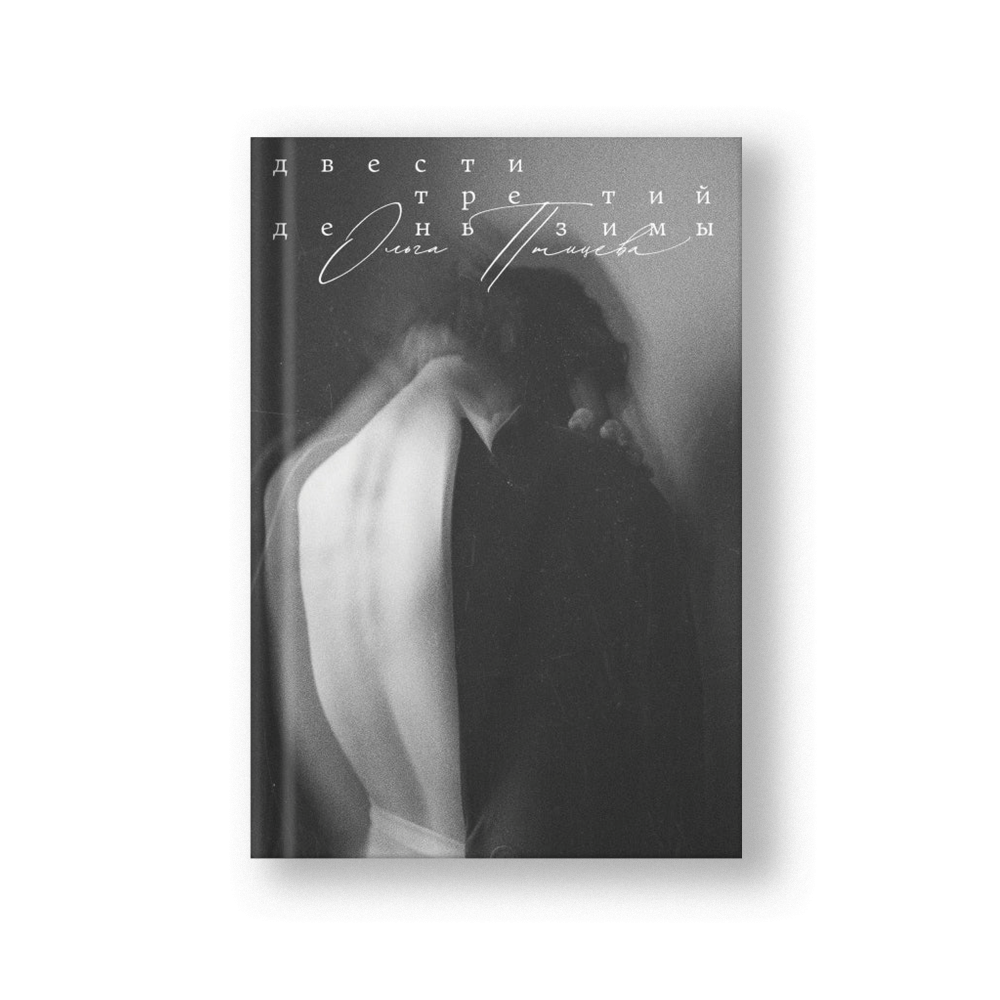
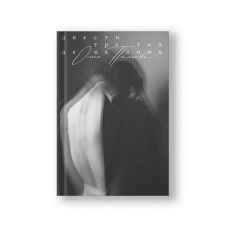
The main character of Olga Ptitseva's new dystopian novel lives in a country where eternal winter has been declared. It has been snowing for two hundred days, food is rationed, and those who disagree are sent to the freezer. Nyuta cannot leave, because with her biology education, she is now needed by the Party of Cold: they urgently need to develop selective varieties of frost-resistant plants.
Meanwhile, strange events are happening in the city. Yellow daffodils are blooming amid the snowdrifts. Local authorities are sure that the opposition is to blame for everything, it is they who want to destabilize the situation.
Olga Ptitseva's books are like living cinema: every footprint in the snow is imprinted on you, as if you saw it with your own eyes. And it’s unclear whether she created this world with its snowy emptiness, piercing cold, universal fear and hope that arises, despite everything, or whether we’ve been living in it for a long time, and she revealed it, like a lost film.
Lisa Birger, literary critic
Olga Ptitseva uses the metaphor of winter to comprehend reality. A new social norm, the struggle for resources, adaptation to inhuman conditions. Reading “The Two Hundred and Third Day of Winter” is like watching the first episode of “Game of Thrones” and, looking at the snow, repeating that winter is coming...
Ekaterina Manoylo, writer