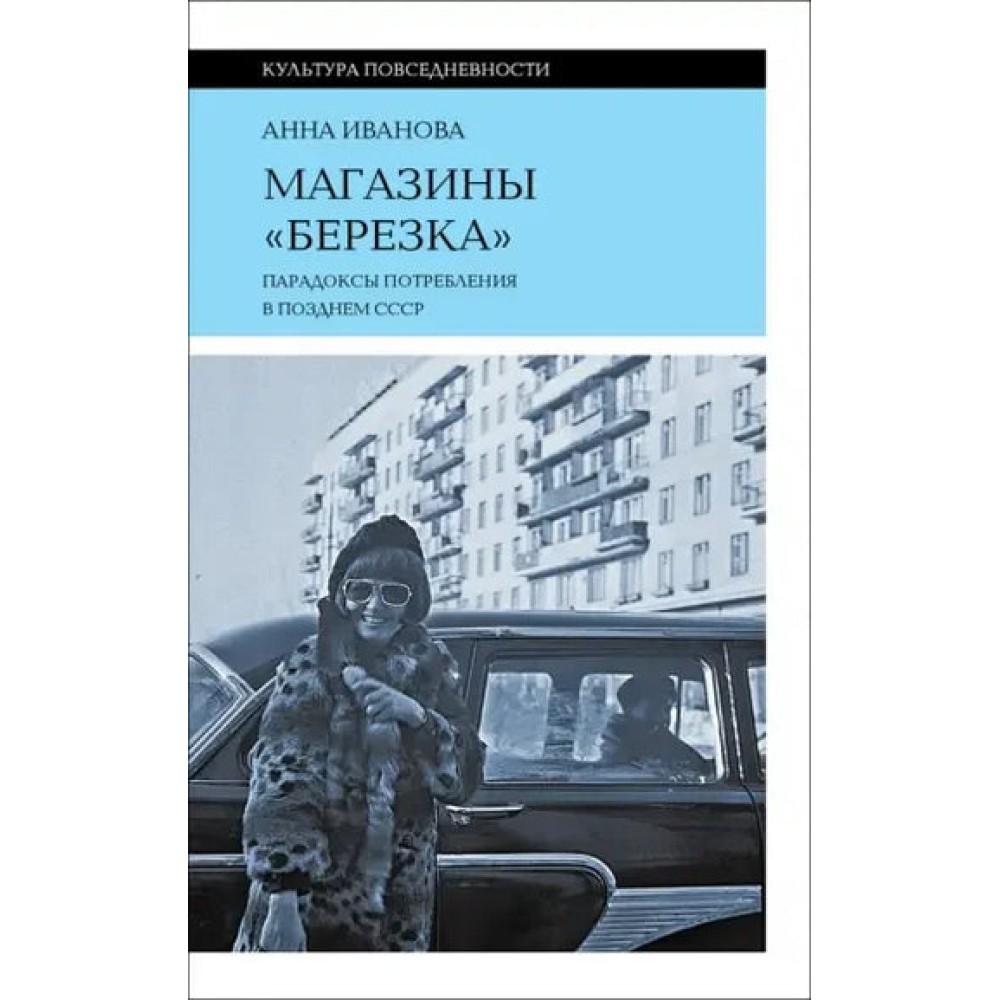
Transactions with foreign currency were considered a criminal offense in the USSR. The cult of Western goods among Soviet citizens was a constant target of newspaper criticism, and the existence of privileged supplies was officially denied. Nevertheless, state-run 'Beryozka' stores, where certain groups of Soviet citizens could purchase scarce imported goods using foreign currency and its substitutes (certificates and checks), operated successfully throughout the Soviet Union. Moreover, they became an important part of everyday life in the late Soviet Union. American jeans, Japanese tape recorders, and Italian boots were purchased at 'Beryozkas' not only by diplomats or touring artists, but also by Soviet workers providing 'technical assistance' in Third World countries, dissidents receiving foreign currency transfers from abroad, and ordinary Soviet citizens who dared to buy foreign currency substitutes on the black market for rubles. Beryozka stores were perceived in Soviet society as both a model of consumption and an example of social injustice. In Anna Ivanova's book, retail currency trading in the late USSR becomes the subject of historical research for the first time. The author examines the reasons for the emergence of Beryozka stores, describes the categories of Soviet citizens who had access to the 'closed' currency stores, and the image of currency trading in official discourse and among consumers. The book is based on documents from central and republican archives, Soviet press materials, memoirs, and personal interviews with both employees and users of the currency trading system.

New Literary Observer (NLO)
Beryozka Shops: Paradoxes of Consumption in Late USSR (Magaziny Beryozka)
£23.39
Description
Specification
Publisher: New Literary Observer (NLO)
Author: Anna Ivanova
Size: 22x14x2.1
Cover: Hardcover
Language: Russian
Pages: 304
Publication year: 2024
ISBN: 9785444825365
ISBN (Barcode): 9785444825365
Meet The Author

Anna Ivanova
Ivanova Anna Andreevna was born on August 25, 1987, in the city of Roslavl, Smolensk Oblast. In 2004, she graduated from secondary school and entered Moscow State Industrial University. While studying, she worked as an editor for a youth newspaper. She published articles and short stories in the media. In 2009, she received her higher education diploma.…


Nikolay Epple
An Inconvenient Past: Memory of State Crimes in Russia and Other Countries (Neudobnoye Proshloye)
£26.90
Aleksandr Dulov
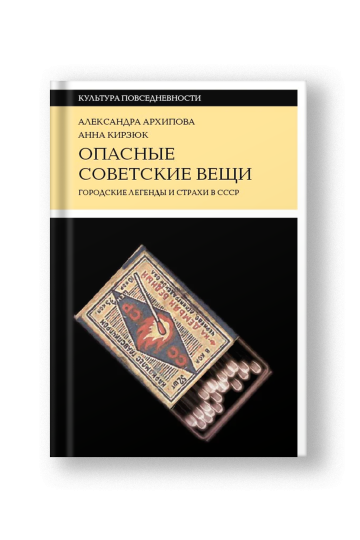
Dangerous Soviet Things: Urban Legends and Fears in the USSR (Opasnye Sovetskie Veshchi)
£29.24


Readers Review
Leave a ReviewBe the first!
Leave a Review
There are no reviews for this book yet — be the first to share your thoughts! Your opinion matters greatly to us and fellow readers.