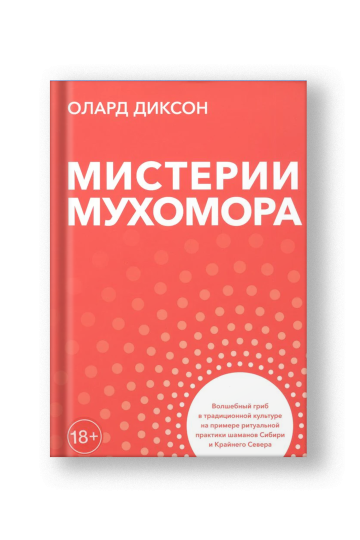
The North, Siberia, and the Far East are a kind of terra incognita for most residents of the European part of Russia. We know little about the lives of the indigenous peoples of this region and often build our ideas about them based on stereotypes. A book by Russian anthropologist and folklorist Olga Khristoforova will help you get acquainted with the mythology and culture of the northern peoples.
You will see how different peoples of the North explained the origin of the universe and its structure. What secrets of the universe can be discovered by looking at a shamanic drum, where the spots on the moon come from, and how the constellations appeared. How are the Upper, Middle, and Lower Worlds connected, who inhabits them, and who is the mediator between them. How the mythologies of different peoples describe the processes of creation of people, animals, and everything that exists. Who gave people important knowledge and laws.
Under the cover are stories about the demiurge gods and their opponents, creatures that help people and those who harm them. And also about how shamans undergo initiation and travel through the spheres of the universe, their main functions, the purpose of shamanic rituals.
The author analyzes two types of sources - verbal (myths, legends) and visual (images on shamanic drums, household items, drawings created at the request of researchers, archaeological finds). And the story of mythology is complemented by the history of the development of the North, Siberia and the Far East. Readers will recall the names of great Russian travelers and ethnographers, learn how Russians interacted with the local population and why they feared them, what is interesting about the folklore of northern peoples, and how mythological motifs allow scientists to look into the past of our planet. Olga Khristoforova explores the genres of folklore of the peoples of the North and the reasons why different peoples and ethnic groups develop their own mythological ideas and rituals. English: Untearable.
Who is this book for?
For connoisseurs of history and mythology.
For those interested in Russian culture and the rituals of the peoples of Russia.
For those who want to immerse themselves in the life of the peoples of the past.
For a wide range of readers, anyone who wants to get a complete picture of the traditions and beliefs of the northern peoples.
From the author
Folklore largely depends on the landscape and climatic zone in which people live, as well as on their type of economy and social organization. It's not just that the Chukchi myths will feature a whale and a polar bear, the Nanai Amur people will feature a tiger, and somewhere in Polynesia, a coconut crab. The point is also that the folklore genres of peoples with an appropriative economy and a family-clan organization will differ from those of plow farmers, who already had a developed statehood and writing. The folklore of the former is usually called archaic, the folklore of the latter - classical. You will probably be surprised, but archaic folklore does not contain many genres familiar to us - for example, proverbs, anecdotes, fairy tales. But etiological myths, telling about the origin of the world and all that exists, are much more widespread, as well as all sorts of prohibitions and prescriptions - short texts in which the rules of behavior in the world and society are 'packed'.