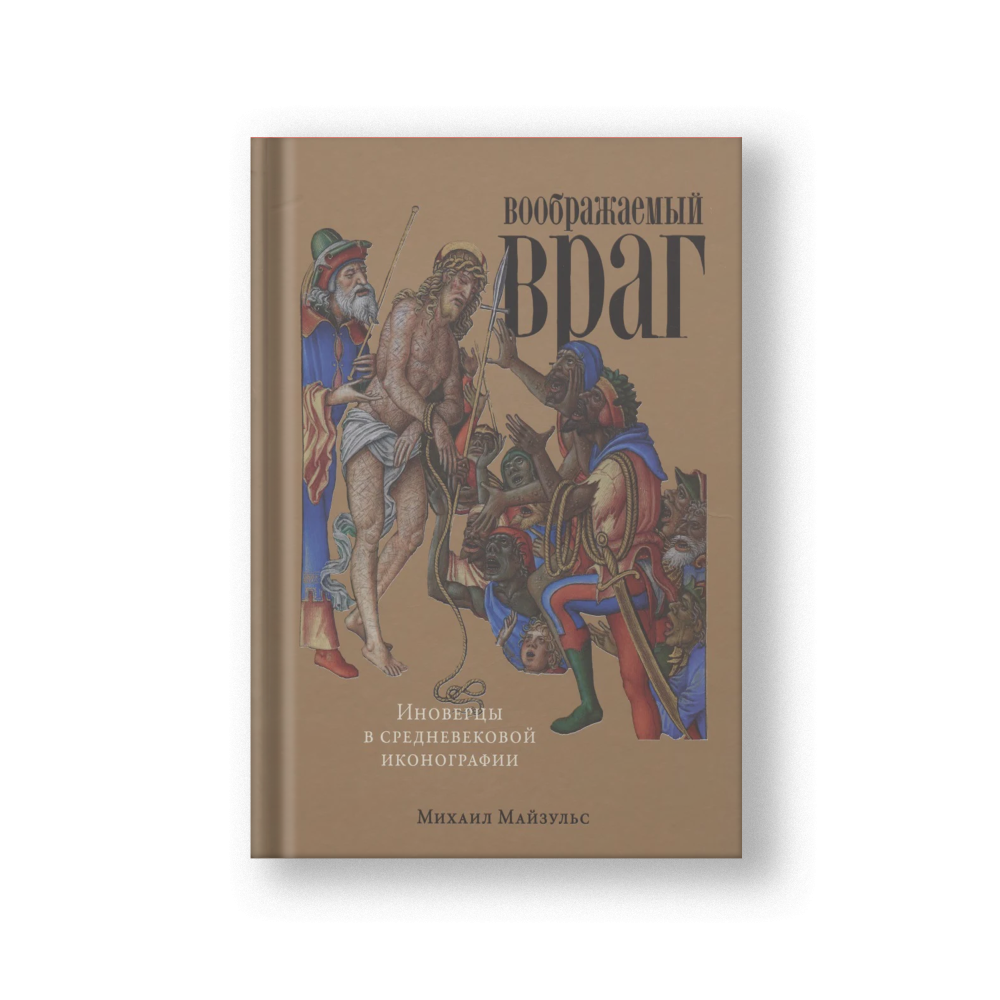
Coats of arms and flags depicting scorpions, exotic turbans and caps, hooked noses, red hair, crimson, black, or even blue faces, unnaturally twisted poses, obscene gestures, and maliciously aggressive grimaces. The art of the medieval West employed a multitude of symbols that marked and denounced non-believers (Jews, Muslims, and pagans), heretics, other sinners, and outcasts. All of them were associated with the 'father of lies,' the devil, and with each other, as if they were part of a global conspiracy against Christian society. Pagan Romans were sometimes depicted wearing Jewish hats and pseudo-Jewish inscriptions on their clothing, Jews in Muslim turbans, and Muslims were accused of worshiping idols and invoking ancient Roman gods. In a new book, medievalist Mikhail Maizuls shows how the image of the enemy was constructed from the 12th to the 16th centuries, how the mechanisms of stigmatization operated in the space of images and on city streets, and how techniques that emerged in the Middle Ages carried over into the pamphlets, posters, and caricatures of the modern era.

Alpina Non-Fiction
The Imaginary Enemy: Infidels and Heretics in Medieval Iconography (Voobrazhaemy Vrag)
£52.64
Description
Specification
Publisher: Alpina Non-Fiction
Weight: 1710
Author: Mikhail Mayzuls
Circulation: 2500
Size: 25.8x20.5x3.5
Book series: History (Istoriya)
Cover: Hardcover
Language: Russian
Pages: 436
Publication year: 2022
ISBN: 978-5-00-139433-4
ISBN (Barcode): 9785001394334
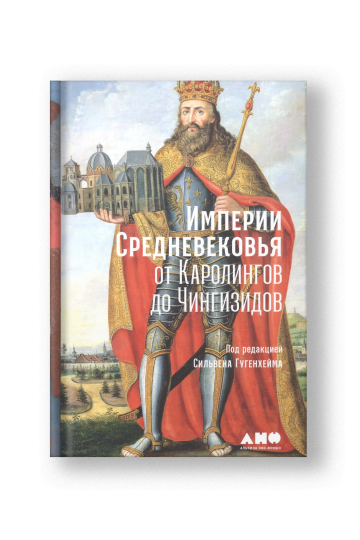
Empires of the Middle Ages: From the Carolingians to the Genghisids (Imperii Srednevekovya)
Anthology
£23.39
Add to Cart
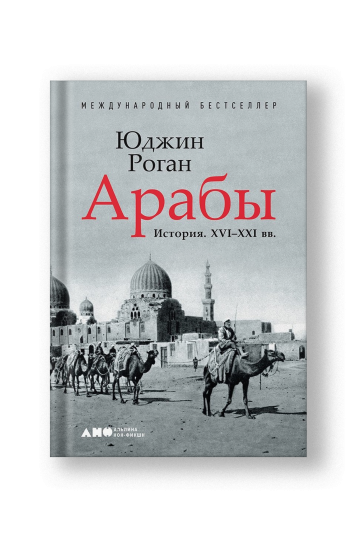
The Right to Life: A History of the Death Penalty (Pravo na Zhizn)
Tamara Eidelman
£31.58
Out Of Stock
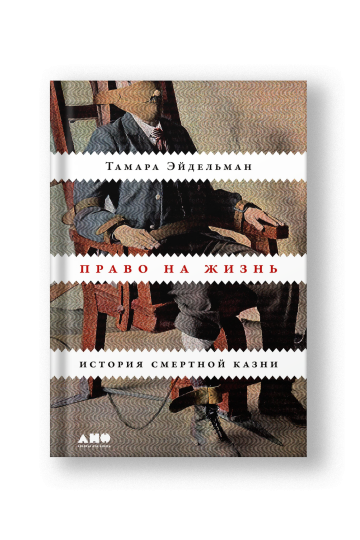
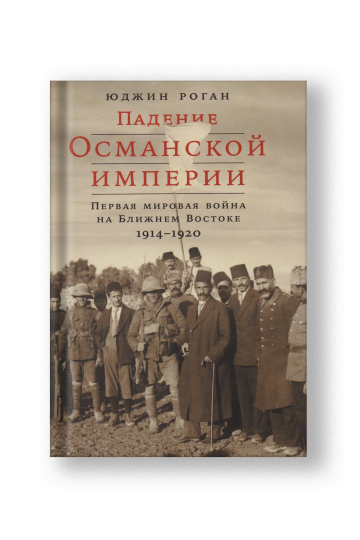
The Fall of the Ottomans: The Great War in the Middle East (Padenie Osmanskoy Imperii)
Yudzhin Rogan
£35.09
Out Of Stock
Meet The Author

Mikhail Mayzuls
Mikhail Romanovich Maisuls is a Russian historian specializing in the Middle Ages.
He graduated from the Russian-French Center for Historical Anthropology named after Marc Bloch at RSUH (2004), the French University College at Moscow State University (2004), and the School for Advanced Studies in the Social Sciences (EHESS) in Paris (2005; DEA diploma in medieval history), as well as the postgraduate program at RSUH (2008).
From 2007 to 2014, he taught at the Center for Mediaeval Studies of RSUH, where he gave courses entitled “Trends in the Development of the Humanities in the 20th and Early 21…


Stiven Nadler
Heretics! The Wondrous (and Dangerous) Beginnings of Modern Philosophy (Yeretiki)
£26.90

Mikhail Mayzuls
Between Christ and Antichrist: Hieronymus Bosch's “The Adoration of the Magi' (Mezhdu Khristom i Antikhristom)
£52.64


Readers Review
Leave a ReviewBe the first!
Leave a Review
There are no reviews for this book yet — be the first to share your thoughts! Your opinion matters greatly to us and fellow readers.