For decades, postmodern skeptics have argued that it is impossible to strictly distinguish between truth and fiction, and that history should be identified with rhetoric. But what kind of rhetoric are we talking about? In a polemic with relativists, the renowned historian Carlo Ginzburg shows that postmodern skepticism was inspired by Friedrich Nietzsche's early work on truth and falsehood, in which rhetoric, contrary to Aristotle, was decisively opposed to evidence. However, in the tradition founded by Aristotle and then running from Quintilian to Lorenzo Valle, the connection between rhetoric and evidence is central. By highlighting the differences between the two versions of rhetoric, Ginzburg offers a new perspective on a wide variety of subjects: a speech against European colonialism delivered by a native rebel and included in the work of an 18th-century French Jesuit; The blank lines in the famous novel 'Sentimental Education,' which Proust considered the culmination of Flaubert's entire oeuvre; the winding path that led Picasso to 'Les Demoiselles d'Avignon.' The author's goal is to demonstrate that within historical science, the need for proof still exists, and historical knowledge is still possible.


NLO
History, Rhetoric, and Proof (Sootnosheniya Sil)
£21.06
Description
Specification
Publisher: NLO
Weight: 312
Author: Karlo Ginzburg
Circulation: 1000
Book series: Historia Rossica
Cover: Hardcover
Language: Russian
Pages: 184
Publication year: 2024
ISBN: 978-5-4448-2243-2
ISBN (Barcode): 9785444822432
Secret Madmen of the 18th-Century Russian Empire (Taynye Bezumtsy)
Aleksandr Kamenskiy
£29.24
Add to Cart


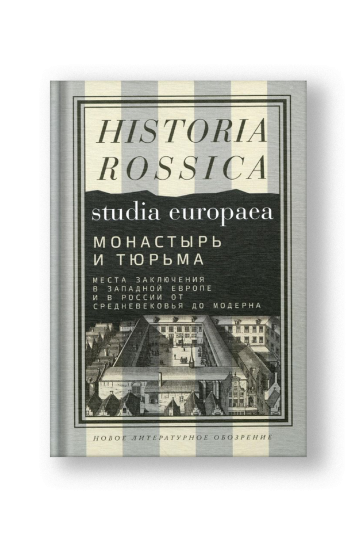
Monastery and prison - Places of Confinement in Western Europe and Russia from the Middle Ages to the Modern Age (Monastyr i Tyurma)
Falk Bretshneyder
£26.90
Add to Cart
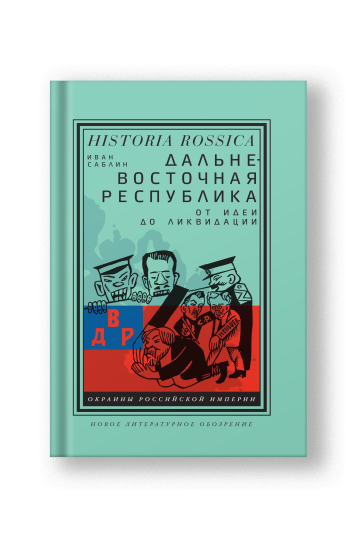
The Far Eastern Republic: From Idea to Liquidation (Dalnevostochnaya Respublika)
Ivan Sablin
£26.91
Add to Cart
The Corporation of Pretenders: Shadow Economy and Corruption in Stalin's USSR (Korporatsiya Samozvantsev)
Oleg Khlevnyuk
£23.39
Out Of Stock

The Other Russia: Studies in the History of Russian Emigration (Drugaya Rossiya)
Oleg Budnitskiy
£25.74
Out Of Stock

Meet The Author
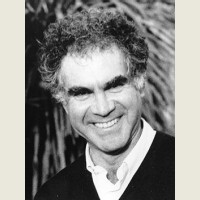
Karlo Ginzburg
Carlo Ginzburg is an Italian historian and one of the founders of microhistory. He has also made a significant contribution to the study of social history and religious beliefs in Europe at the end of the Middle Ages and the beginning of the modern era, as well as to historical methodology.
He was born into a family of well-known writers and anti-fascists. His father, Leone Ginzburg, born in Odessa, was a scholar of nineteenth-century Russian literature and a translator of it into Italian; in 1944 he was arrested and killed by the Nazis. His mother, Natalia Ginzburg, was a well-known writer.…

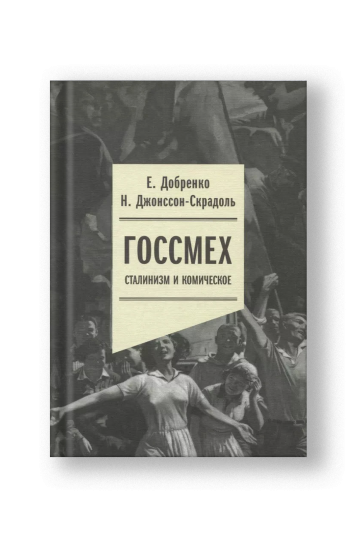
Evgeniy Dobrenko
State Laughter: Stalinism, Populism, and Origins of Soviet Culture (Gossmekh)
£29.25
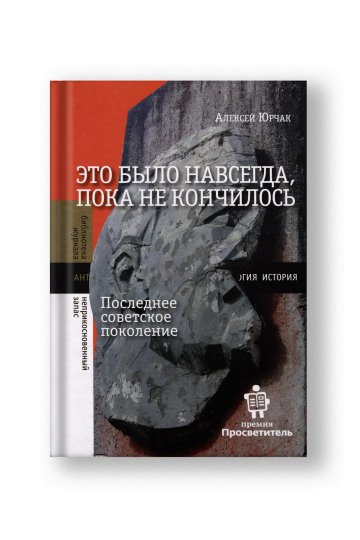
Aleksey Yurchak
Everything Was Forever Until It Was No More: The Last Soviet Generation (Eto Bylo Navsegda)
£40.94

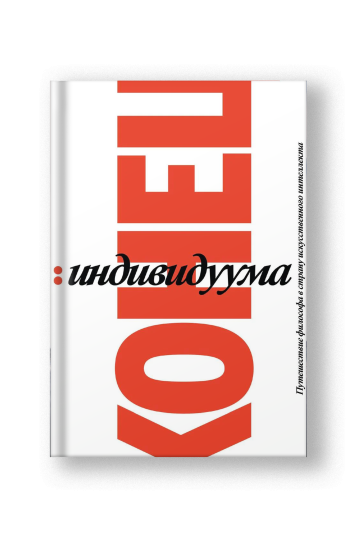
Gaspard Koenig
The End of the Individual: An Investigation into Artificial Intelligence (Konets Individuuma)
£46.79
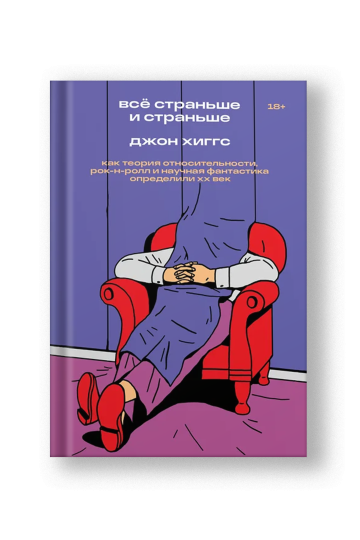
J. Higgs
Stranger Than We Can Imagine: An Alternative History of the 20th Century (Vsyo Stranshe i Stranshe)
£21.06

Anthology
Literary Inspiration: Metaphorical Cards. Wise Advice from Classics (100 pcs)
£22.23
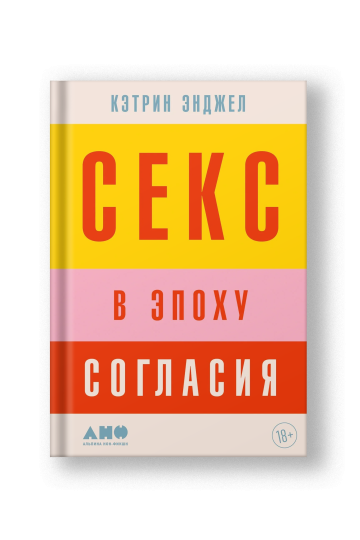
Endzhel Ketrin
Tomorrow Sex Will Be Good Again: Women and Desire in the Age of Consent (Seks v Epokhu Soglasiya)
£25.74


Readers Review
Leave a ReviewBe the first!
Leave a Review
There are no reviews for this book yet — be the first to share your thoughts! Your opinion matters greatly to us and fellow readers.