Ad Marginem
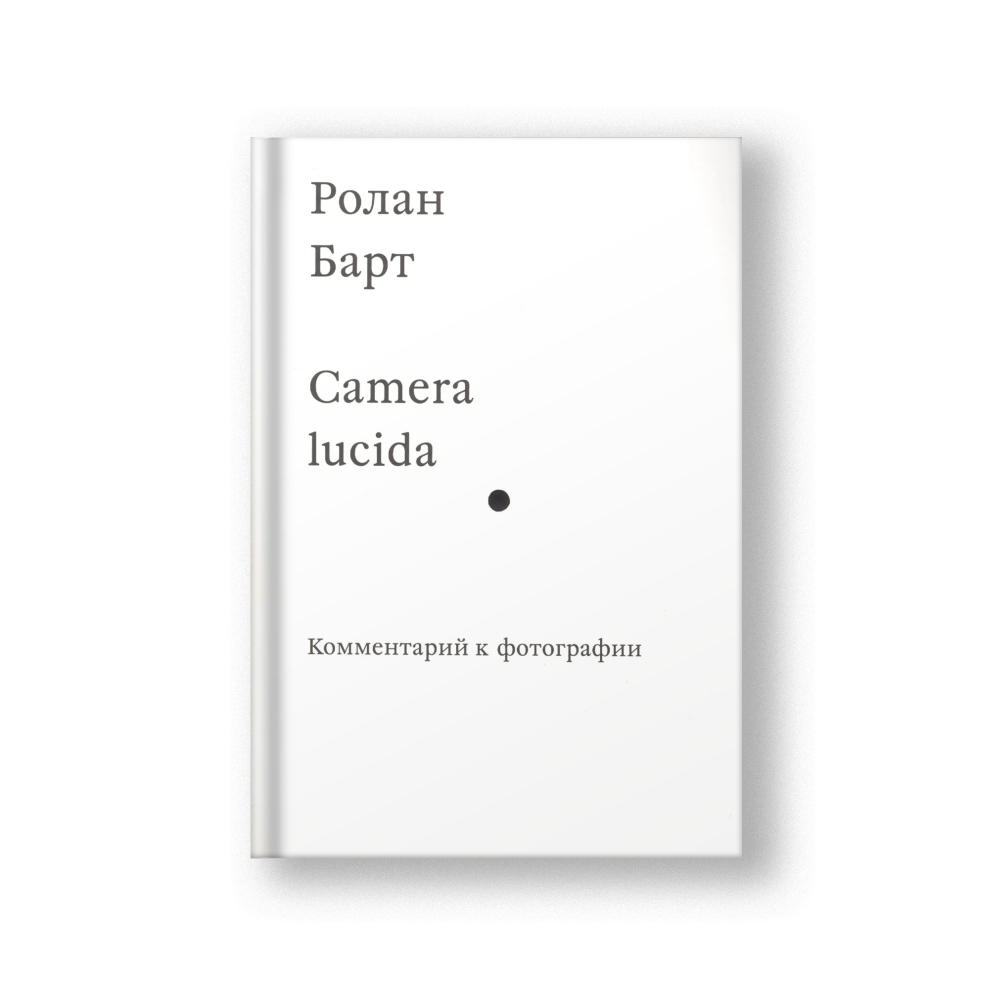
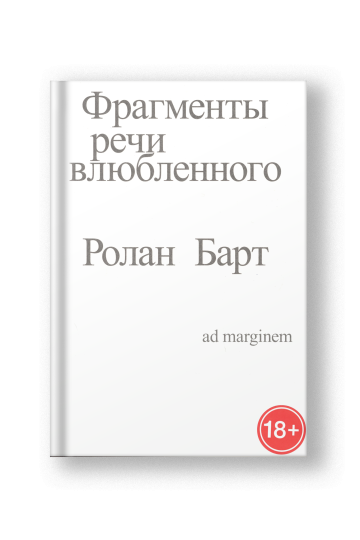
Camera Lucida: Reflections on Photography (Camera Lucida)
£19.88
Description
Specification
A camera lucida (Latin: camera lucida, literally 'bright room') is an auxiliary optical device for drawing and copying objects in perspective. A prism is placed between the eyes of the draftsman and the sheet of paper, installed in such a way that light is reflected from the copied object and falls on the paper, creating an image on it. 'Camera lucida. Commentary on photography' (1980) by Roland Barthes is one of the first fundamental studies of the nature of photography and at the same time an homage to the author's late mother. Interest in a photograph from 1870, which he accidentally came across, aroused in Barthes a desire to find out what essential feature makes a photograph stand out from the entire collection of images. Having asked the question of classification and systematization of photographs, the philosopher constructs his own phenomenology, introducing the concepts of Studium and Punctum. Studium denotes the cultural, linguistic and political interpretation of photography, Punctum - a purely personal emotional meaning, allowing to establish a direct connection with the photographic image.
Publisher: Ad Marginem
Weight: 170
Author: Bart Rolan
Size: 18.5x12.9x1.4
Cover: Paperback
Language: Russian
Pages: 190
Translator: Ryklin Mikhail Kuzmich
Publication year: 2021
ISBN: 978-5-91-103279-1
ISBN (Barcode): 9785911032791
Meet The Author
Bart Rolan
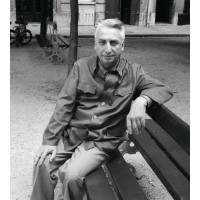
Roland Barthes was a French post-structuralist philosopher and semiotician.
Roland Barthes was born on November 12, 1915, in the city of Cherbourg, Normandy. His father, Louis Barthes, a naval officer, was killed in action in the North Sea when Roland was not yet a year old. His mother, Henriette, together with his aunt and grandmother, moved to Bayonne, a city in southwestern France. There the future philosopher first came into contact with the world of culture, learning to play the piano under the guidance of his musically gifted aunt.…

Dzheffris Styuart
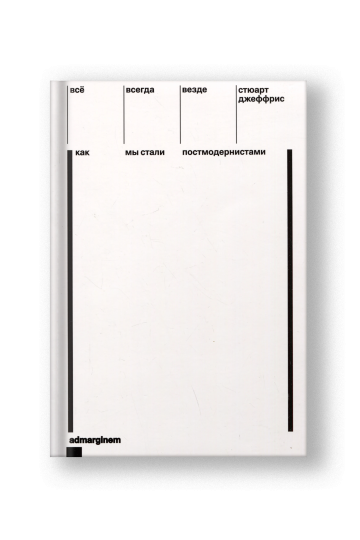
Everything, All the Time, Everywhere: How We Became Postmodern (Vsyo Vsegda Vezde)
£23.39
Daria Chichimova
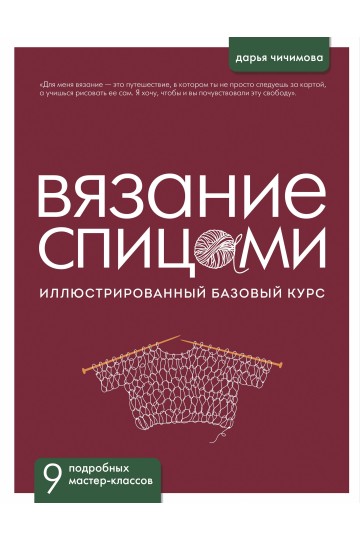
Knitting with Needles: Illustrated Basic Course (Vyazanie spitsami : illyustrirovannyy bazovyy kurs : 9 podrobnykh master-klassov)
£28.00
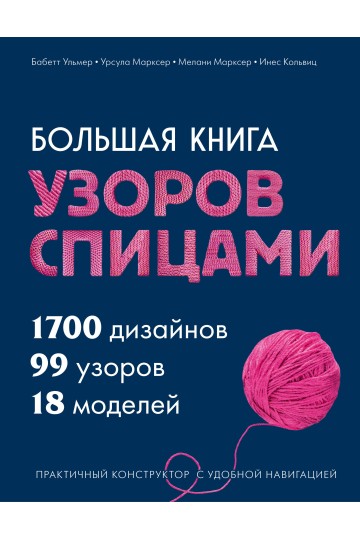
Babette Ulmer, Ursula Markser, Melanie Markser, Ines Kollwitz
The Big Book of Knitting Patterns: 1700 Designs, 99 Patterns, 18 Models. A Practical Constructor with Convenient Navigation (Bolshaya kniga uzorov spitsami. 1700 dizaynov, 99 uzorov, 18 modeley. Praktichnyy konstruktor s udobnoy navigatsiey)
£29.99


Readers Review
Leave a ReviewBe the first!
Leave a Review
There are no reviews for this book yet — be the first to share your thoughts! Your opinion matters greatly to us and fellow readers.