Modern publications have become increasingly popular with amateur speculations about the origins of words, based not on the science of the history of languages, but on the naive notion that such speculations require no special knowledge, and that simple guesses are sufficient. Moreover, on the basis of amateur guesses about the origins of words, such works often draw completely fantastic conclusions about the history of entire peoples.
After all, we don't have mathematics—all arguments are not absolute. So, if a researcher has a strong, deep-seated incentive to 'pull' in a certain direction, then the specific nature of the case, alas, easily allows this urge to be realized—namely, it allows one to find more and more new arguments in the desired favor, imperceptibly inflate the significance of one's own arguments, and minimize the significance of opposing arguments.
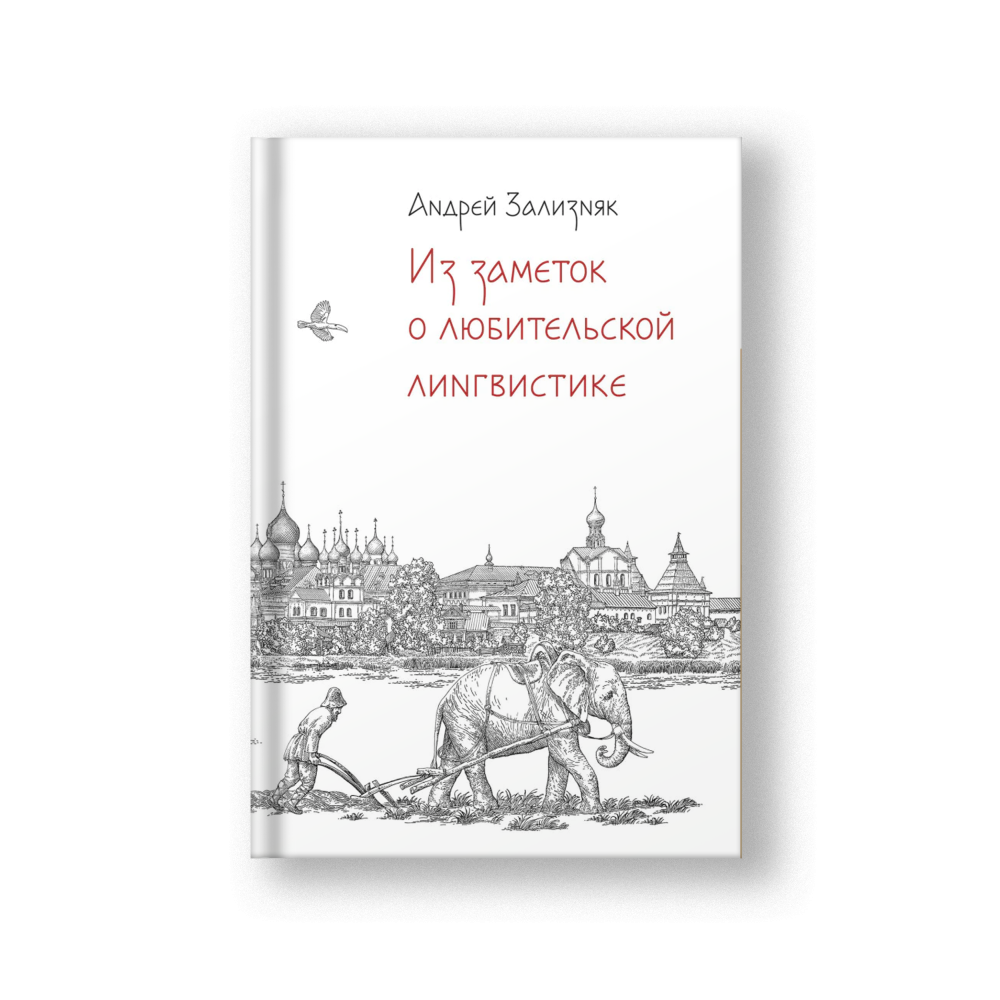
A. A. Zaliznyak's work shows how such reasoning differs from professional linguistics and why it has no chance of revealing the true history of words. Particular attention is given to the most striking example of the use of amateur linguistics to construct a fictitious history of many countries - the so-called 'new chronology' of A. T. Fomenko.
I would like to speak out in defense of two simple ideas that were previously considered obvious and even simply banal, but now sound very unfashionable:
1) Truth exists, and the goal of science is to find it.
2) In any issue under discussion, a professional (if he is truly a professional, and not just a bearer of official titles) is normally more right than an amateur.