Daniel Goleman
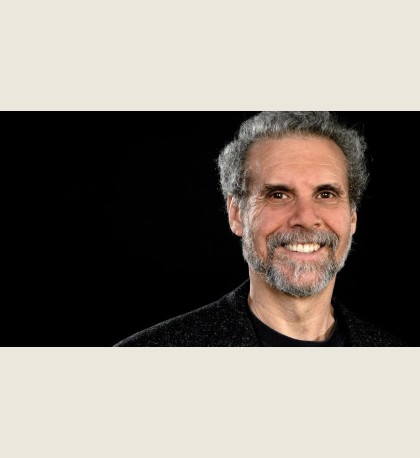
Daniel Goleman is an American author, psychologist, and science journalist. For twelve years he wrote for The New York Times, specializing in psychology and brain science. He has written more than 10 books on psychology, education, science, and leadership.
Daniel Goleman was born in the small town of Stockton. His parents were professors at Stockton colleges: his father taught the humanities, including Latin and a course in world literature, and his mother taught sociology. Goleman followed in his parents’ footsteps and earned a doctorate from Harvard University.
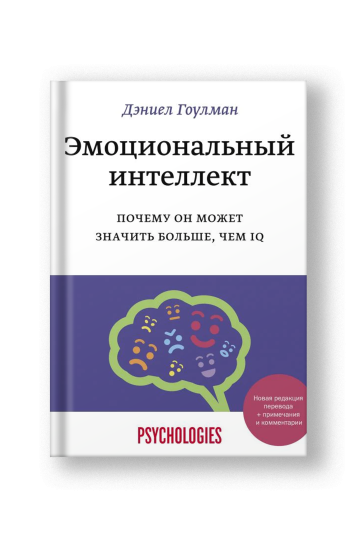
For many years Goleman wrote articles on the brain and human behavior for the popular newspaper The New York Times. His book Emotional Intelligence, published in 1995, remained on The New York Times bestseller list for a year and a half, sold more than 5 million copies, was translated into 40 languages, and remained on bestseller lists in other countries around the world for many years. Goleman states: “The range of what we think and do is limited by what we fail to notice. And because we fail to notice what we need to know, we are seldom able to do anything to change it.” In his first book, The Varieties of the Meditative Experience, Goleman describes various meditation techniques. These include Sufism, Transcendental Meditation, Patanjali’s Ashtanga Yoga, Indian Tantra and Kundalini Yoga, Tibetan Buddhism, Zen, the teachings of Gurdjieff, and the teachings of Krishnamurti. He notes that most meditation methods were aimed at developing concentration, and that “powerful concentration enhances the effectiveness of any activity.” Goleman believes that everyone without exception must be able to sympathize with others and understand other people’s emotions (that is, have empathy), while being fully aware of their own. The pace and tempo of modern life leave people too little time to assimilate, reflect, and respond; the human organism is attuned to a slower rhythm, and “the less we are aware of what exactly is the object of our passionate interest, the more we miss out in life,” he says. The author has received numerous awards for his research, including an award for achievements in journalism from the American Psychological Association.
Books
Didn't find the book you were looking for?
