Emily Jane Brontë
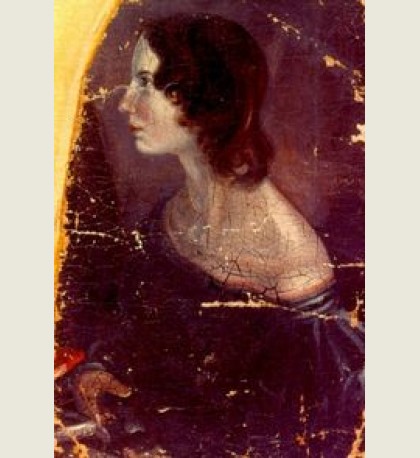
Emily Jane Brontë was an English poet and the author of the novel Wuthering Heights.
In 1835 Emily spent several months at the school in Roe Head, but soon returned to Haworth because she was homesick. In 1837 she served as a governess in Low Hill, near Halifax, and in 1842, together with Charlotte, went to Brussels to continue her education. After returning from Brussels, she did not leave Haworth for the rest of her life.
In 1846 her collection Poems by Currer, Ellis and Acton Bell was published. Emily’s poems, those of “Ellis,” received a fairly high critical appraisal. In 1847 her novel Wuthering Heights was published, which later brought her fame. During Emily’s lifetime the novel remained virtually unnoticed, and only after her death, when Charlotte arranged its second edition, Wuthering Heights was greeted with a chorus of praise as a true masterpiece, though with some reservations.
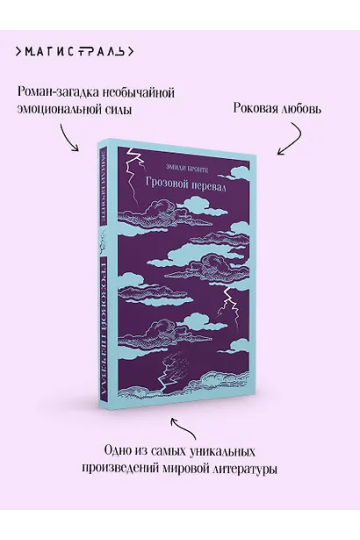
In her biographical note Charlotte pointed to the “terrible, vast gloom” permeating the narrative about the two Yorkshire families, the Earnshaws and the Lintons, and their evil genius Heathcliff. Catherine Earnshaw and Heathcliff are bound by a stormy, demonic, rebellious passion. Their love is tragic. Only after death are they miraculously united, their bodies ending up in the same coffin. The well-known English writer E. Gaskell wrote that the novel Wuthering Heights caused in many readers a shiver of horror and “disgust at the expressiveness… with which the evil… characters were depicted.” However, the novel is imbued with moral strength and wisdom; reason and justice oppose cruelty, treachery, and madness.
Unlike Charlotte, Emily Brontë had no close friends, rarely wrote letters, and loved few people, apart from her family. Her character was marked by stoic firmness and mysticism.
At present her poetry is especially highly regarded. Poems such as “Remembrance,” “The Prisoner,” “No coward soul is mine,” and others brought her fame as a talented poet, no less original than Blake, Shelley
Books


Didn't find the book you were looking for?
