Fenni Flegg
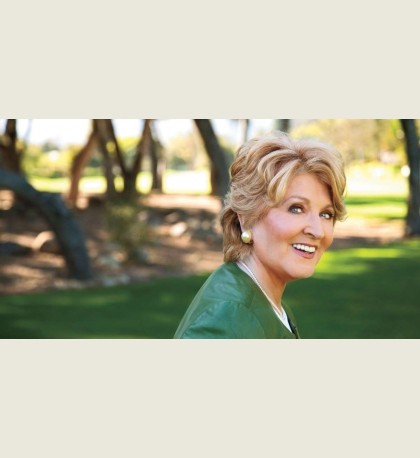
Fannie Flagg is an American writer. She was born and raised in Irondale, a suburb of Birmingham, Alabama, USA. Her birth name was Patricia Neal.
As a child, she wanted to become a writer, but she had problems at school because of undiagnosed dyslexia. Flagg began performing on stage at the age of 14 in a Birmingham theater group. At 17, she changed her name when registering with Actors' Equity (the U.S. union of theater actors and directors, founded in 1913), and from then on she became Fannie Flagg. The name she was given at birth, Patricia Neal, could not be used because another Oscar-winning actress already had the same name.
Flagg studied at the University of Alabama and at the Pittsburgh Playhouse theater school. When she returned from Pittsburgh, she became a co-host of a morning television program in Birmingham.
Fannie Flagg’s writing career began in television, where she worked on scripts for TV programs. She wrote scripts and played small roles in the television show Candid Camera. Her acting abilities enabled her to appear in such films as Five Easy Pieces (1970) with Jack Nicholson, Stay Hungry (1976) with Jeff Bridges and Sally Field, and finally in 1999 in Antonio Banderas’s film Women Without Rules with Melanie Griffith. But then Fannie Flagg chose literature, although she continued to act in films and on stage. For example, she played the lead role in the Broadway musical The Best Little Whorehouse in Texas.
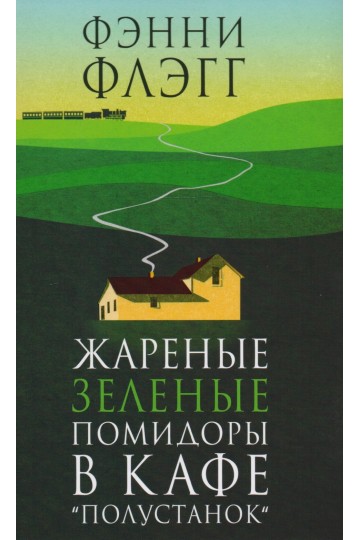
Her first novel, Daisy Fay and the Miracle Man (1981), spent 10 weeks at the top of The New York Times bestseller list, which is simply incredible for a debut. Her second novel, Fried Green Tomatoes at the Whistle Stop Cafe, praised by Harper Lee and other literary masters, remained on the list for 36 weeks, becoming an international bestseller. The book was turned into an unforgettable box-office film hit, a classic of American cinema. The screenplay, written by Fannie Flagg herself, won a Writers Guild Award and was nominated for an Oscar.
But even this book was surpassed in success by the novel Welcome to the World, Baby Girl! (1999), which achieved far greater fame and was chosen by The New York Times as the Outstanding Book of the
Books
Didn't find the book you were looking for?
