Konstantin Stanislavskiy
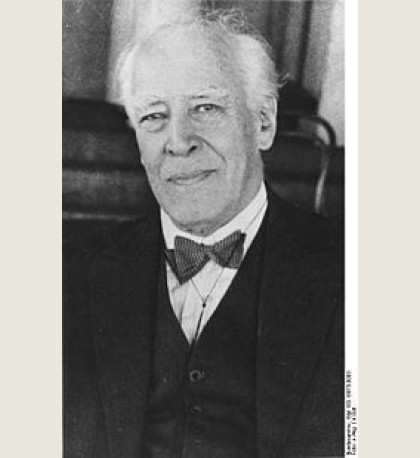
Konstantin Sergeyevich Stanislavsky (birth surname Alekseyev; January 5 (17), 1863, Moscow — August 7, 1938, Moscow) was an outstanding Russian theater director, actor, and teacher. He was the founder of the renowned acting system that has enjoyed immense popularity in Russia and throughout the world for 100 years. People’s Artist of the USSR (1936).
Father — Sergei Vladimirovich Alekseyev (1836–1893), mother — Yelizaveta Vasilyevna (née Yakovleva) (1841–1904). He had a brother, Vladimir, a sister, Zinaida, and a sister, A. He was a cousin of Moscow city head N. A. Alekseyev. By birth and upbringing, Konstantin Stanislavsky belonged to the upper circle of Russian industrialists and was related to and дружески associated with such connoisseurs of art and patrons as S. I. Mamontov and the Tretyakov brothers. In 1881, he left the Lazarev Institute and began working for the family firm.
He began stage experiments at home in 1877, in the Alekseyev Circle. He preferred vividly characteristic roles that allowed transformation: throughout his life he named among his favorite roles the student Megrio from the vaudeville The Woman’s Secret (first performed in 1881) and the barber Laverje from The Love Potion (first performed in 1882). Taking his enthusiasm for the stage with his usual seriousness, he devoted intensive study to movement and vocal training with the best teachers. He acted in operettas: the bandit chieftain in Lecocq’s Countess de la Frontière, Floridor in Nithouche, and Planchard in Hervé’s Lille, and Nanki-Poo in Sullivan’s The Mikado.
In 1888, he was one of the founders of the Moscow Society of Art and Literature. In 1898, together with Nemirovich-Danchenko, he founded the Moscow Art Theatre and directed it. The first production of the new troupe was A. K. Tolstoy’s tragedy Tsar Fyodor Ioannovich.
From the 1900s onward, S
Books

Didn't find the book you were looking for?
