Marcus Aurelius Antoninus
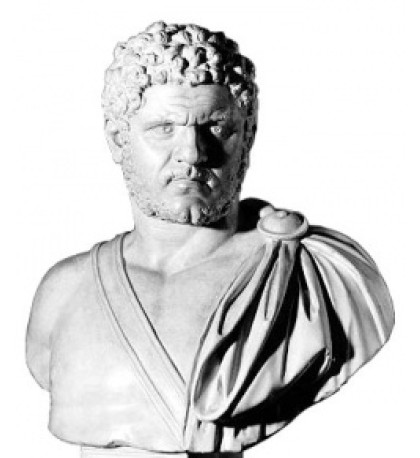
Marcus Aurelius Antoninus was a Roman emperor (161–180) of the Antonine dynasty, a philosopher, a representative of late Stoicism, and a follower of Epictetus.
Preparation for Power
Marcus Annius Verus (later, after his first adoption, Marcus Annius Catilius Severus, and after the second, Marcus Aelius Aurelius Verus Caesar), the son of Marcus Annius Verus and Domitia Lucilla, who entered history under the name Marcus Aurelius, was born in Rome on 26 April 121 into a senatorial family of Spanish origin. Marcus Aurelius’ paternal grandfather (also Marcus Annius Verus) was a three-time consul (elected consul for the third time in 126). The wife of Antoninus Pius, Annia Galeria Faustina (Faustina the Elder), was the biological sister of Marcus Aurelius’ father (and thus Marcus Aurelius’ own aunt). Marcus Annius Verus was first adopted by the third husband of the emperor Hadrian’s mother, Domitia Lucilla Paulina — Publius Catilius Severus (consul in 120) — and became known as Marcus Annius Catilius Severus.
In 139, after the death of his adoptive father, he was adopted by the emperor Antoninus Pius and became known as Marcus Aelius Aurelius Verus Caesar. Marcus Aurelius received an excellent education.
Even during Hadrian’s lifetime, Marcus Aurelius, despite his young age, was designated for the quaestorship, and six months after Hadrian’s death he assumed the office of quaestor (5 December 138) and began his administrative career.
In the same year he was betrothed to Annia Galeria Faustina, daughter of the emperor Antoninus Pius, Hadrian’s successor on the throne. By her Marcus Aurelius had the following children: Annia Aurelia Galeria Lucilla, Annia Aurelia Galeria Faustina, Aelius Antoninus, Aelius Hadrianus, Domitia Faustina, Fadilla, Cornificia, Commodus (the future emperor), Titus Aurelius Fulvius Antoninus, Aelius Aurelius, Marcus Annius Verus Caesar, and Vibia Aurelia Sabina. Most of Marcus Aurelius’ children
Books
Didn't find the book you were looking for?
