Umberto Eco
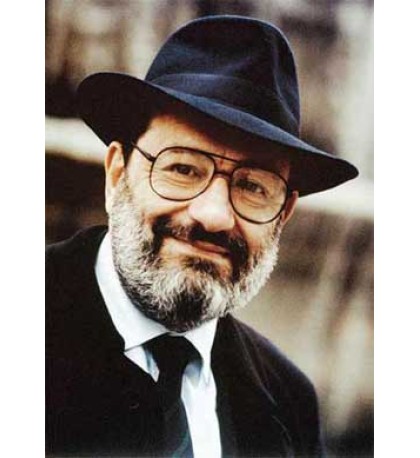
Umberto Eco was an Italian scholar, philosopher, specialist in semiotics and medieval aesthetics, cultural theorist, literary critic, writer, and publicist.
Umberto Eco was born in Alessandria (a small town in Piedmont, not far from Turin). His father, Giulio Eco, worked as an accountant and later took part in three wars. During World War II, Umberto and his mother, Giovanna, moved to a small village in the mountains of Piedmont. Eco’s grandfather was a foundling; according to the practice then current in Italy, he was given an abbreviated surname derived from Ex Caelis Oblatus, that is, “given by Heaven.”
Giulio Eco was one of thirteen children in his family and wanted his son to receive a legal education, but Umberto entered the University of Turin to study medieval philosophy and literature, graduating in 1954 with a degree in philosophy. During his studies, Umberto became an atheist and left the Catholic Church.
Umberto Eco worked in television, was a columnist for the major newspaper L’Espresso, and taught aesthetics and the theory of culture at the universities of Milan, Florence, and Turin.
Since September 1962, he was married to the German art teacher Renate Ramge. The couple had a son and a daughter.
Eco died at his home in Milan on the evening of 19 February 2016 from pancreatic cancer, which he had been fighting for two years. A farewell ceremony was held at Sforza Castle in Milan on 23 February 2016.
Umberto Eco addressed a wide range of issues throughout his prolific scholarly career. He conducted research on medieval and modern aesthetics, mass culture, and developed his own theory of semiotics. One of the central issues for him was the problem of interpretation: the relationship between reader and author, the “role of the reader.”
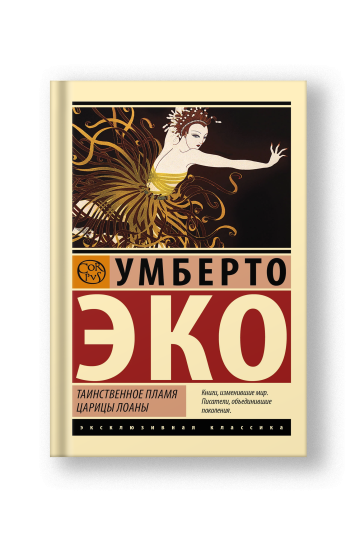
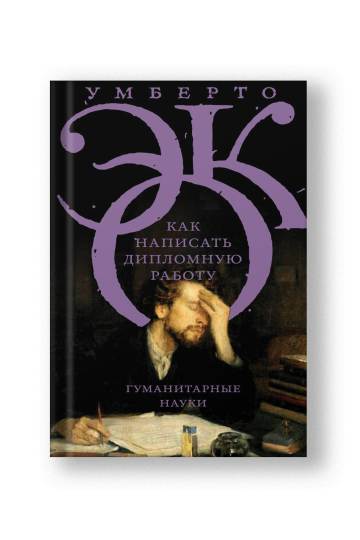
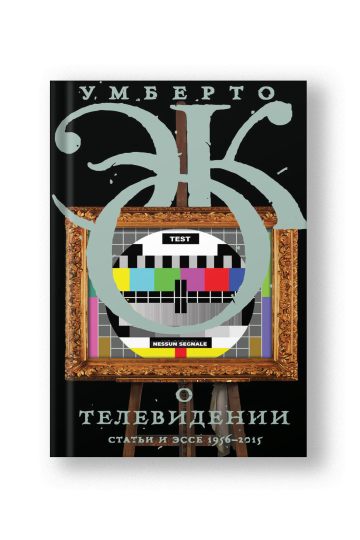
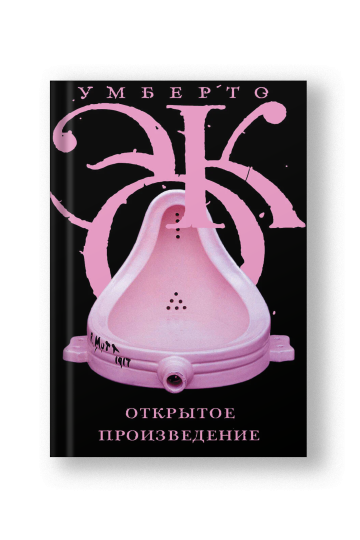
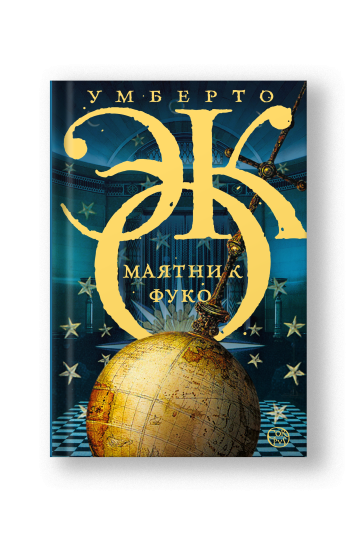
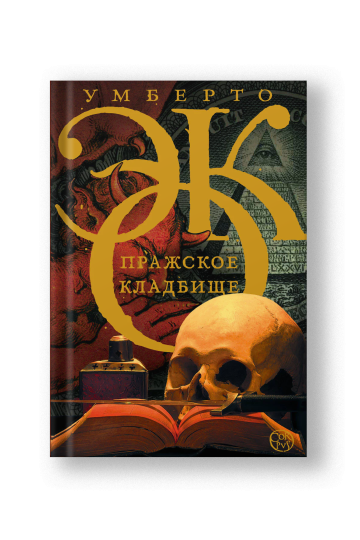
Books
Didn't find the book you were looking for?
