When Ezequiel was diagnosed with AIDS, he was left alone, without family or friends—they turned their backs on him. His life was filled with disdainful glances and reproaches. The only things that helped him cope with the disease were his husky dog, Sacha, his cello, and the sudden arrival of his younger brother, who gave him the support, acceptance, and love he needed all these years…
This book is more than a story about a young man with AIDS who is reunited with his younger brother. This is a story that shows the importance of trust in a family and how everything falls apart when you are not accepted.
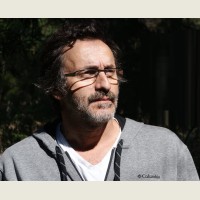
The story 'The Eyes of a Husky' by Argentine writer Antonio Santa Ana was published in 1998 and has become a classic of Latin American youth literature.
5 reasons to buy the book 'The Eyes of a Husky':
-
A new book in the 'Not Children's Books' series, which raises pressing and important topics;
-
A bestseller in Latin American countries, with over 1 million copies sold, is included in extracurricular reading lists;
-
25 years after its publication, the book does not lose its relevance, since the problem of HIV and AIDS has already acquired pandemic proportions;
-
Topics that concern many: people's prejudices towards HIV and AIDS, relationships in a family where there is a sick person; the importance of trusting relationships, mutual understanding, support and acceptance from relatives and friends; the theme of loneliness and renunciation, when a person is forced to cope with the disease on his own; the theme of the death of a loved one, when he is slowly fading away from an incurable disease;
-
A brilliant translation from Spanish by Daria Sinitsyna.
QUOTES FROM THE BOOK:
“— I love my dog also because of his eyes. Since I got sick, people look at me very differently. In some eyes I see fear, in others — intolerance. In my grandmother’s — pity. In my dad’s — anger and shame. In my mom’s — fear and reproach. You — curiosity, as if I am a mystery to you, unless you think that our meetings have nothing to do with my illness. The only eyes that look at me as usual, the only eyes in which I see myself as I am, whether sick or healthy, are the eyes of my dog. The eyes of Sachi.'
'— Listen, the only thing we know for sure about our lives is that we will all die. And the only thing we don't know for sure is when we will die. I realized that the inaccurate is more important than the certain, and I decided not to die until I play Bach's First Suite in G major.'
'— The only thing we have in common is our parents. Nothing else, Grandma. Nothing at all. There is an abyss between us.
— Perhaps the good thing about abysses,' Grandma replied, 'is that you can throw a bridge across them.'