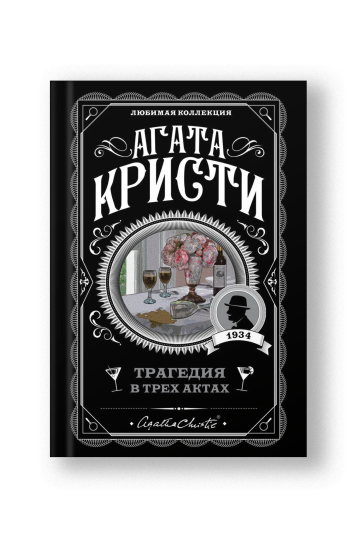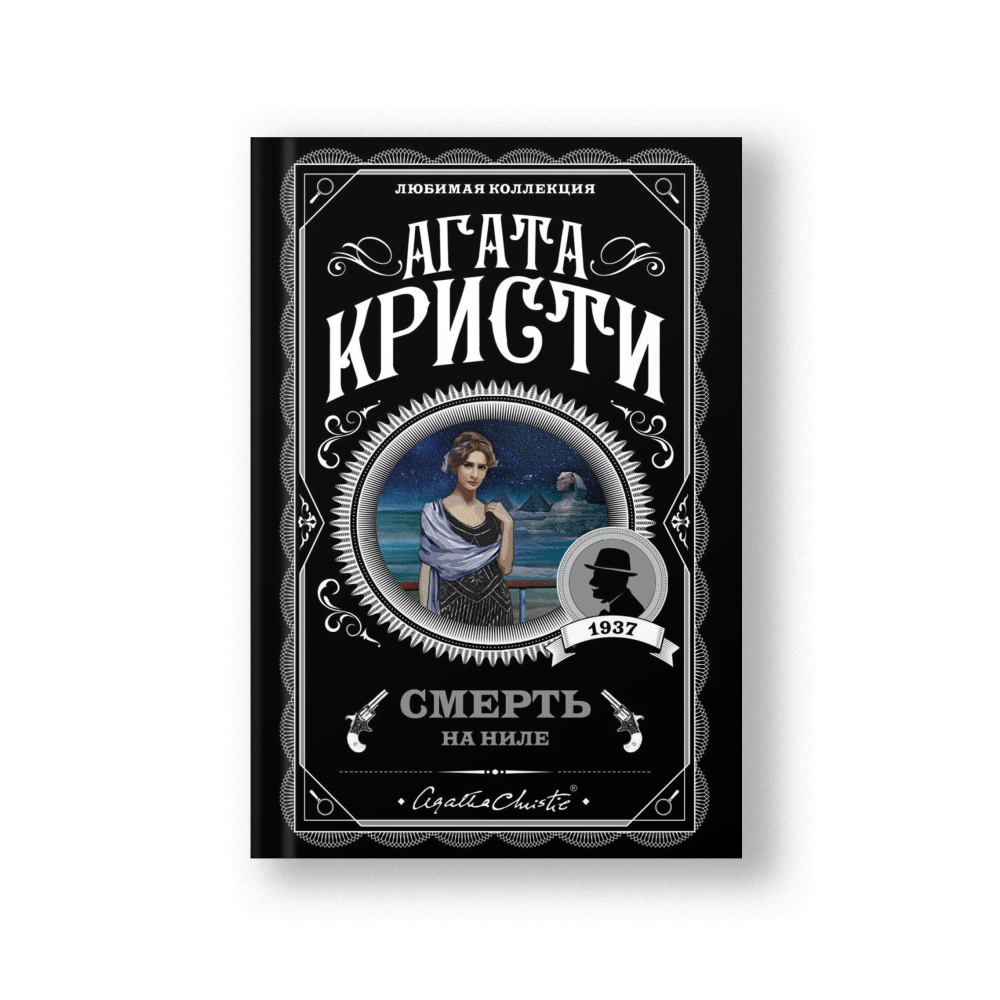
This novel is a direct sequel to Murder on the Orient Express—and is practically every bit as good as the 'detective novel of all time.'
Agatha Christie is the most published author of all time after Shakespeare. The circulation of her books is second only to his works and the Bible. More than a billion of Christie's books have been sold worldwide in English and the same number in other languages. She is the author of eighty detective novels and short story collections, twenty plays, two memoirs, and six psychological novels written under the pseudonym Mary Westmacott. Her characters Hercule Poirot and Miss Marple have forever become exemplary heroes of the action genre.
On the luxury steamship Karnac, sailing down the Nile, a young millionairess, recently married and, as it turns out, with many enemies among the passengers, is murdered. Anyone could have killed the self-confident and impudent girl who stole her best friend's fiancé. But none of the likely suspects committed the crime... Luckily, the great detective Hercule Poirot is on board, who knows the entire society represented on the cruise from London and is aware of the possible motives of each of them. And, of course, the first thing the Belgian thinks about is the 'love triangle' consisting of the murdered woman, her newlywed husband, and the very temperamental woman he left for a millionaire...
--------------------------------------------------
'She is undoubtedly a genius.' - Elizabeth George, New York Times bestselling author
'Christie is generally considered a brilliant master of the suspense plot. But she is something much more significant.' — The Guardian
'When it comes to murder dramas, no one is more inventive than Christie.' — Sunday Times
'...I still adore Christie novels.' — Louise Penny
'Reading a Christie novel is like biting into a ripe apple: pure, crisp, utterly satisfying...' — Tana French
'Perfectly plotted.' — Daily Mail
'You have to read it twice: once to savor it, and again to follow the intricacies.' — The Times
'One of Poirot's finest cases.' — Sunday Times