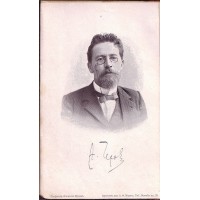
Theatrical themes occupy a special place in Chekhov's work. He was not only a playwright, but also an inveterate theater-goer, an 'honorary citizen of the wings': he personally knew many actors, directors, entrepreneurs, and artists, and understood the strengths and weaknesses of 'artistic natures.' He constantly followed theatrical repertoires, and was in constant polemics with both the 'playwrights' and their critics.
In Chekhov's time, a passion for theater was widespread: it was customary not only to attend the theater, but also to participate in home and dacha performances. Who doesn't remember the phrase 'Die, unhappy woman!' uttered by the boy footman in the story 'Ionych,' imitating Shakespeare's tragic heroes? Although Chekhov sincerely loved the theater, he nevertheless advised a friend: 'Give up the theater and the wings.' After all, this is, in essence, a hospital for egos. With the exception of perhaps a dozen genuine talents, everyone suffers from mania grandiosa.'
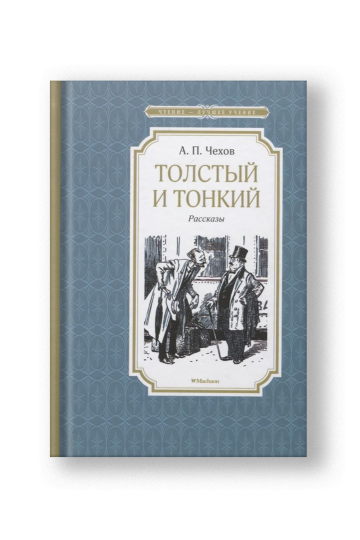
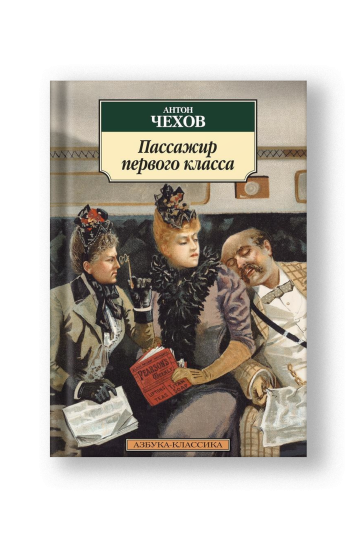
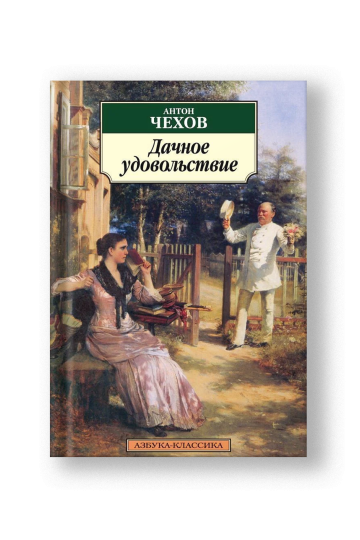
The author of 'The Seagull''s personal impressions of theater life served as the basis for many of the stories included in this collection.