Paula Modersohn-Becker was here: she befriended Rilke, wandered the wastelands, painted children and peasant women, dabbled in nudism, kept a diary, and became the first artist to attempt a nude self-portrait. In life, Paula received little recognition: her exhibitions drew scathing reviews, and she sold only three paintings—far fewer than her husband, the artist Otto Modersohn. The Nazis destroyed some of her works, deeming them 'degenerate.'
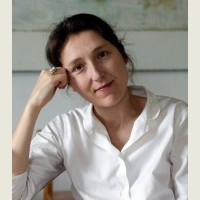
But Paula always had defenders. Among them is the French writer Marie Darrieussecq, who created a vivid and accurate literary portrait of Paula—the story of the expressionist's unequal struggle with the artists of the early 20th century, her search for her own style, her friendship with Clara Westhoff and marriage to Otto Modersohn, and her life in Worpswede and Paris.
'To be here is already a miracle' cements Paula's reputation as a key figure in modernism and sheds light on the difficulties that female artists faced on the path to professional recognition.