Immanuel Kant is the greatest philosopher of the modern era, the founder of classical German philosophy. Kant's range of professional interests was unusually broad. He developed a theory of the origin of the solar system, studied earthquakes, and lectured on physics and geography. However, Kant's most important works, which truly revolutionized his thinking, are the so-called 'critical works.' 'The Critique of Practical Reason' was published in 1788. This is Kant's main moral and philosophical work. Starting from the concept of a universal moral law (the categorical imperative), Kant offers a strictly ethical justification for it. At the heart of this law lies the idea of transcendental freedom, or personal freedom of will, which is inherent in man and is unthinkable without moral self-discipline. For, as the philosopher believed, only an absolutely voluntary act can be recognized as moral.


Azbuka
Critique of Practical Reason (Kritika Prakticheskogo Razuma)
£13.99
Description
Specification
Publisher: Azbuka
Weight: 140
Age restrictions: 16+
Author: Immanuil Kant
Circulation: 2000
Size: 18x11.5x1.6
Book series: Azbuka Classics: Non-Fiction (Azbuka-klassika. Non-Fiction)
Cover: Paperback
Language: Russian
Pages: 256
Translator: Nikolay Sokolov
Publication year: 2023
ISBN: 978-5-389-16196-2
ISBN (Barcode): 9785389161962





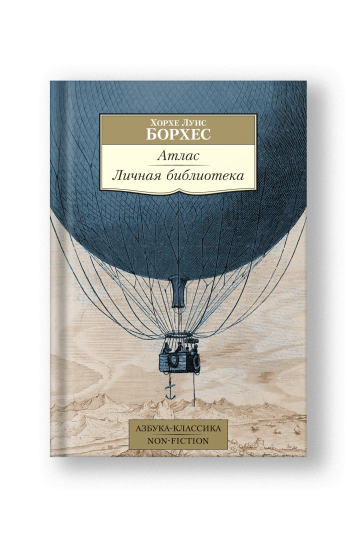
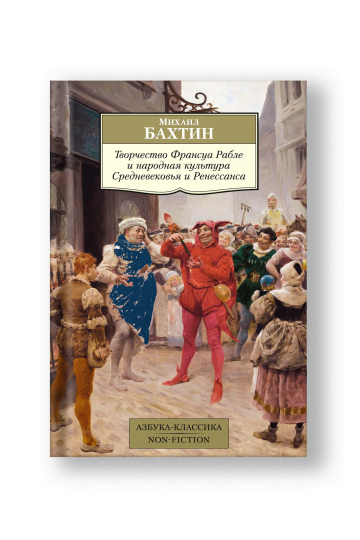

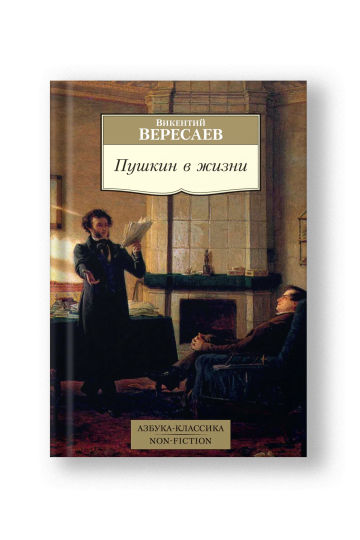

Prolegomena to Any Future Metaphysics and Groundwork of the Metaphysics of Morals (Prolegomeny)
Immanuil Kant
£13.99
Add to Cart


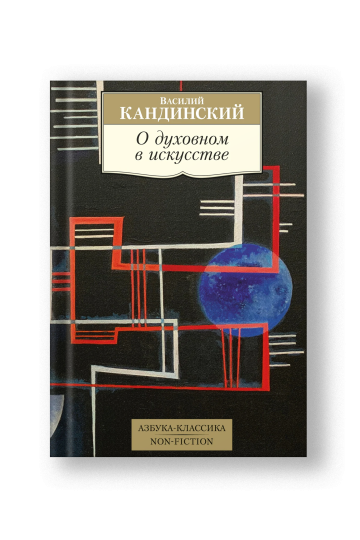
Friends and Encounters: People of the Theater (Druzya i Vstrechi)
Vladimir Gilyarovskiy
£13.99
Add to Cart

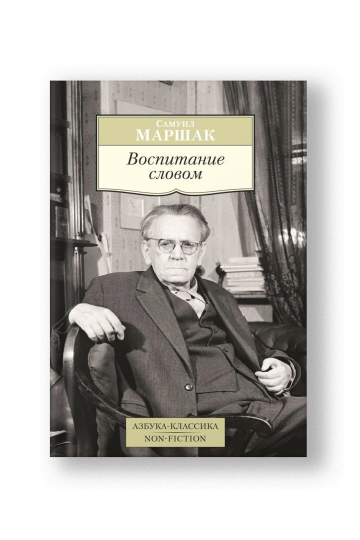
Educating by the Word: Articles, Notes, Memoirs (Vospitanie Slovom)
Samuil Marshak
£13.99
Add to Cart

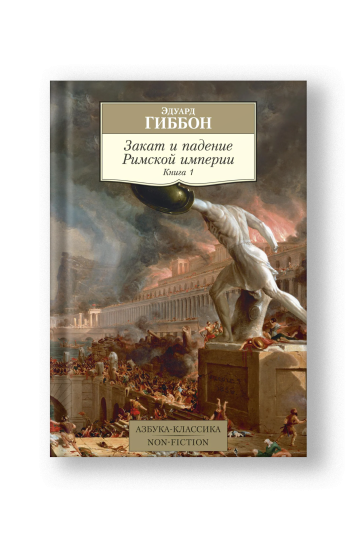
The History of the Decline and Fall of the Roman Empire: Volume 1 (Zakat i Padeniye Rimskoy Imperii)
Eduard Gibbon
£13.99
Add to Cart
Meet The Author
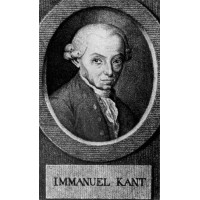
Immanuil Kant
Immanuel Kant (German: Immanuel Kant) 22 April 1724, Königsberg, Prussia — 12 February 1804, there) was a German philosopher, the founder of German classical philosophy, standing on the border between the Enlightenment and Romanticism.
He was born into a poor family of a master saddler. The boy was named after Saint Emmanuel. Under the supervision of Dr. Franz Albert Schultz, a theologian who noticed Immanuel’s talents, Kant graduated from the prestigious Friedrichs-Collegium gymnasium and then entered the University of Königsberg.…

Immanuil Kant
Prolegomena to Any Future Metaphysics and Groundwork of the Metaphysics of Morals (Prolegomeny)
£13.99


Readers Review
Leave a ReviewBe the first!
Leave a Review
There are no reviews for this book yet — be the first to share your thoughts! Your opinion matters greatly to us and fellow readers.