Boris Strugatsky
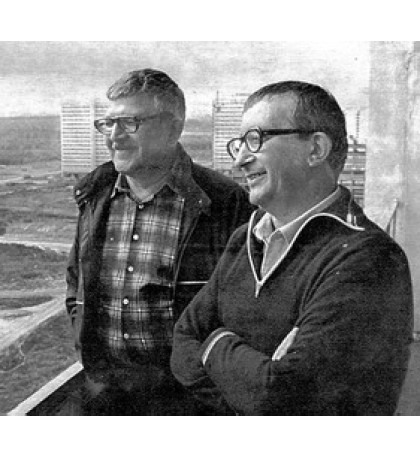
Arkady Natanovich Strugatsky
He was born on August 28, 1925, in Batumi, where his father, Natan Zalmanovich Strugatsky, worked as editor of the newspaper Trudovoy Adjaristan. His mother, Aleksandra Ivanovna Litvitcheva (1901–1981), was a teacher and taught literature.
During the Great Patriotic War, the Strugatsky family was trapped in besieged Leningrad. In January 1942, his father, Natan Zalmanovich Strugatsky, and Arkady were evacuated via the “Road of Life” across Lake Ladoga, while his mother remained in the city with the ill Boris. His father died in Vologda, and in the summer of 1942 Arkady found himself in the settlement of Tashla in Chkalov Oblast (now Orenburg Oblast). There he served as head of a procurement point for purchasing dairy products from the local population; in 1943 he was drafted into the Red Army. Before that, he managed to evacuate his mother and brother from Leningrad.
He graduated from the Berdichev Infantry School, which at the time was evacuated to Aktobe, after which he was assigned to the Military Institute of Foreign Languages, from which he graduated in 1949 as a “translator from Japanese and English.” Until 1955, Arkady Strugatsky served in the Soviet Army, worked as a translator (including during the investigation in preparation for the Tokyo Trial), taught languages at an officers’ school in Kansk (1950–1952), served in Kamchatka as a divisional translator in 1952–1954, and in 1955 was transferred to Khabarovsk to an OSNAZ (special purpose) unit. After leaving active service, he worked in Moscow at the Institute of Scientific Information, and as an editor at Goslitizdat and Detgiz. A professional writer, he had been a member of the Union of Writers of the USSR since 1964.
He was married twice. His first wife was Inna Sergeevna Shershova, whom he married in 1948; the marriage had effectively broken down already in Kansk, and they divorced in
Books
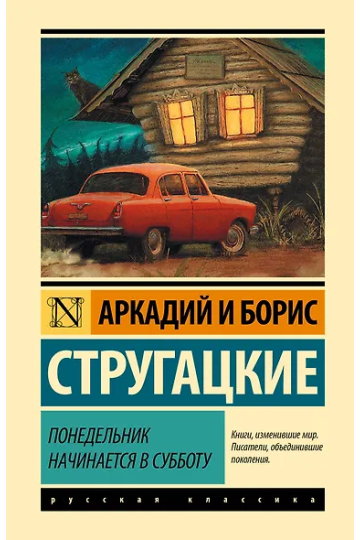
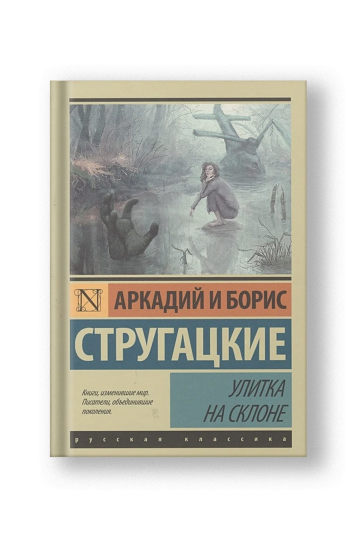
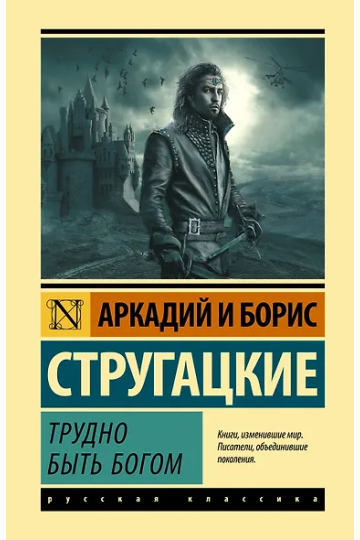



Didn't find the book you were looking for?
