Haruki Murakami
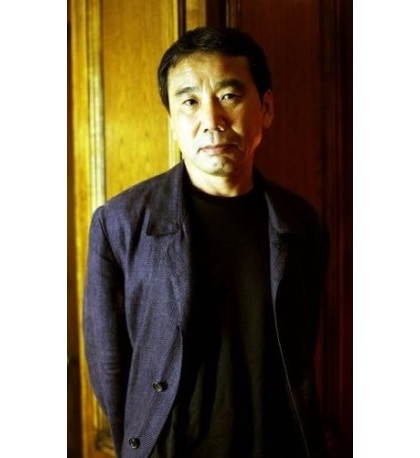
Haruki Murakami is a Japanese writer and translator.
He was born in 1949 in Kyoto, Japan’s ancient capital, into the family of a teacher of classical philology.
Haruki Murakami’s grandfather, a Buddhist priest, ran a small temple. His father taught Japanese language and literature at school and, in his spare time, also engaged in Buddhist proselytizing. He studied “classical drama” in the Theater Arts Department of Waseda University.
In 1950, the writer’s family moved to the city of Ashiya, a suburb of the port of Kobe (Hyogo Prefecture).
In 1971 he married his classmate Yoko, with whom he still lives; they have no children. In 1974 he opened his jazz bar “Peter Cat” in the Kokubunji district of Tokyo. In 1977 he moved the bar to a quieter part of the city, Sendagaya.
In April 1978, during a baseball game, he realized that he might be able to write a book. He still does not know why, exactly. In Murakami’s own words: “I just realized it — that was all.” Murakami increasingly stayed up after the bar closed and wrote texts, using a fountain pen on plain sheets of paper.
In 1979, the novella “Hear the Wind Sing” was published, the first part of the so-called “Rat Trilogy.” For it he received the “Gunzo Shinjin Sho” literary prize, a prestigious award granted annually by the magazine Gunzo to emerging Japanese writers. Shortly afterward he received the “Noma” prize from the leading literary journal Bunguei for the same work. By the end of the year, the award-winning novel had sold an unheard-of debut print run of more than 150,000 hardcover copies.
In 1980, the novella “Pinball, 1973” was published, the second part of the “Rat Trilogy.”
In 1981 Murakami sold the license to run the bar and became a professional writer. In 1982 he completed his first novel, “A Wild Sheep Chase,” the third part of the “Rat Trilogy.” That same year he received another “Noma
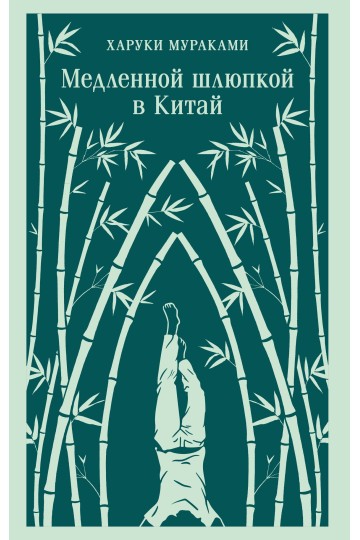
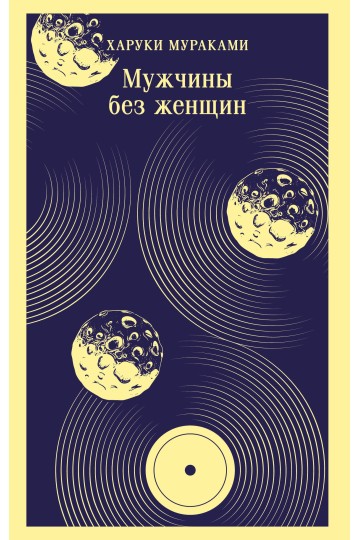
Books

Didn't find the book you were looking for?
