Ryunoske Akutagava
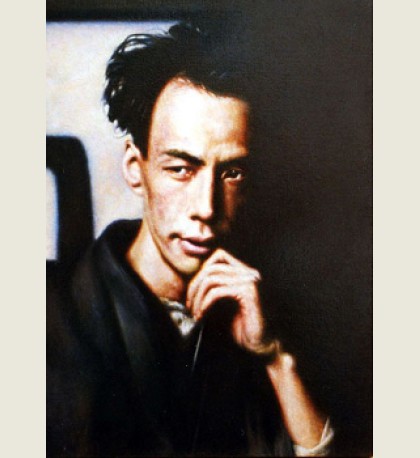
Ryunosuke Akutagawa was an outstanding Japanese writer.
He was born in Tokyo on the morning of March 1, 1892, or, according to the old calendar, at the Hour of the Dragon on the Day of the Dragon in the Month of the Dragon; hence he was given the name Ryunosuke, since the semantic character “ryu” in this name means “dragon.” His father was a milk dealer who owned pastures on the outskirts of Tokyo. His mother belonged to the Akutagawa family, in whose household the famous writer was later brought up; hence the surname. Ryunosuke was born when his father was 42 and his mother 33. Following an old custom, the parents pretended that the boy had been left on their doorstep. All this was done out of superstition, since in Japan it is considered a bad omen if the parents of a newborn are over thirty. When he was nine months old, his mother went mad, and the infant, by law and custom, was handed over for adoption and upbringing to the childless family of his mother’s elder brother, Mitiaki Akutagawa, head of the construction department of the Tokyo Prefecture. Thus the little Ryunosuke lost the surname Niihara and received the surname Akutagawa.
This old educated family included writers and scholars among its ancestors and carefully preserved ancient cultural traditions. Medieval poetry and old painting were enthusiastically studied here, and the old way of life based on obedience to the head of the household was strictly observed. The illness of his birth mother, who soon died, remained a trauma for Akutagawa throughout his life; he often reflected on mental illness, fearing the same fate. In 1910 Akutagawa graduated among the top students from Tokyo Municipal Middle School and, deciding to study English literature, entered the First College in the literature department.
In 1913 Akutagawa graduated from college and entered the English department of Tokyo University. He and his university friends—future writers Kume Masao, Kikuchi Hiroshi, Yamamoto Yuji, and others—were familiar with the main currents of Western literature and debated which trends best met the demands of the present day. University studies disappointed the aspiring writer: the lectures were uninteresting, and he stopped attending them, becoming absorbed in editing the magazine Shinscho. The magazine
Books
Didn't find the book you were looking for?
