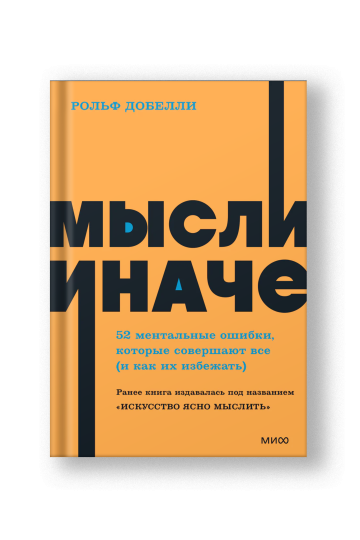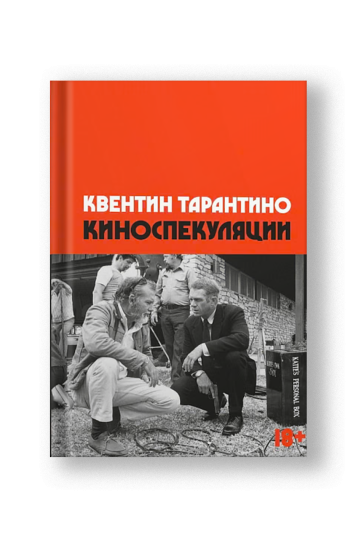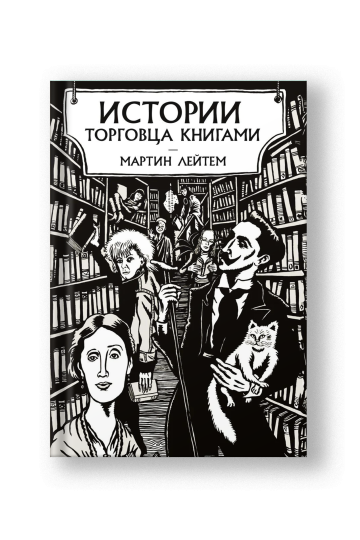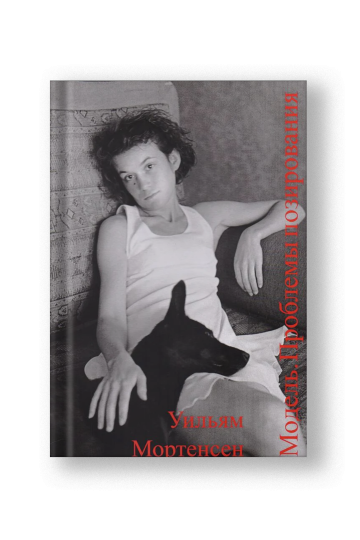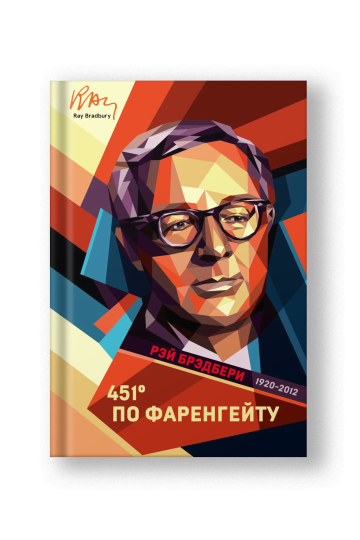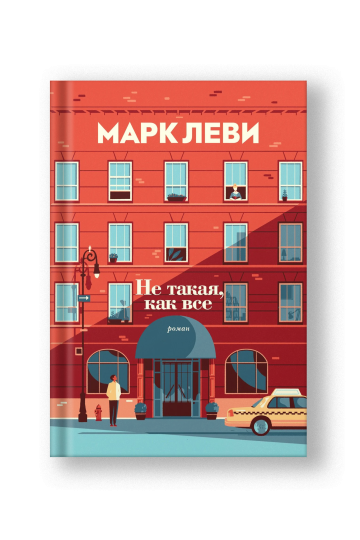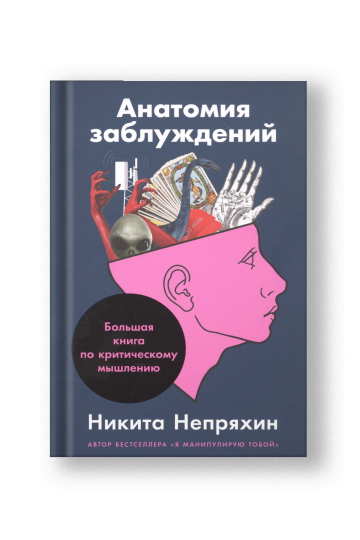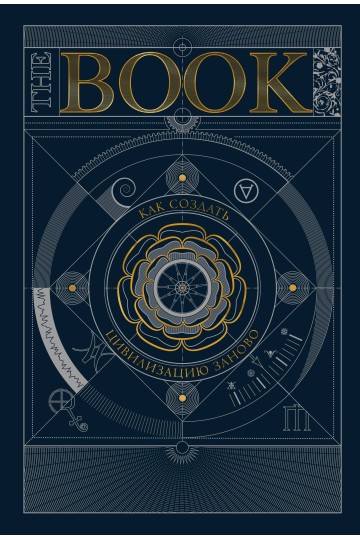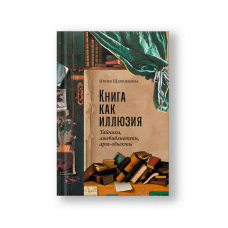
You see books on a table next to a cup of coffee, on a shelf with other volumes, in a bookstore window, in the hands of a fellow traveler on the bus... But then you take a closer look—and suddenly you discover that it is an optical illusion, or a skillful imitation, or a clever disguise. What do you think about? What sensations do you experience? Do you want to look even more closely?
The English term nonreading covers a variety of situations in which the objective value of a book exceeds its textual significance. The German concept of non-library (Nichtbibliothek) describes a host of artifacts and phenomena associated with the imitation of a book, the exploitation of its material qualities. To describe and systematize such practices means to present the phenomenon of the Book in all its inexhaustible and enchanting diversity.
For five hundred years, people have been fascinated by the production of book replicas and the creation of a wide variety of book-shaped objects, and more recently, by the transformation of books themselves into other objects. All these practices and techniques reveal the 'dark side' of book culture and construct an alternative history of the Book, clearly demonstrating how tastes and views, morals and customs, aesthetic preferences and ethical attitudes have changed.
The opposition between book-as-thing and book-as-text becomes even clearer with the spread of printing technologies. An unspoken, but somehow consciously recognized by everyone, opposition arises between volumes intended for reading and for collecting.
An alternative history of the Book is its non-reading biography. It is an invisible but strong thread stretched across the centuries, strung with bright beads of visual deception and semantic tricks. A culture of substitution, in which deception is more valuable than truth, illusion is more convincing than reality, and a copy is more valuable than the original.
A person's attitude to books has always been contradictory and ambiguous, reminiscent of the confrontation between Robert Louis Stevenson's legendary characters - Dr. Jekyll and his double Mr. Hyde, who 'wrote with his own hand various blasphemies in the books he revered.' In European culture, books have long been endowed with a wide variety of properties, even those that are opposite and mutually exclusive: greatness and insignificance, piety and sinfulness, truthfulness and falsity, salvation and mortality... In the archetypal figure of the Woman with a Book, embodied in many works of fine art, one can simultaneously recognize the tempting image of Eve and the face of the Mother of God with the Holy Scriptures.