A TV series or film becomes truly popular when viewers empathize with the characters and see their evolution. No work will truly captivate us if the characters seem flat and unconvincing. Compelling writing is based on resemblance to real life, and a good author skillfully utilizes psychological insight. There's always the risk of drifting into dry explanations instead of conveying feelings sincerely, deeply, and comprehensively—so that the reader or viewer feels what the character feels. 'Without emotion, the hero's personal journey is aimless and uninteresting. The plot becomes a dry riverbed of meaningless events that no reader will waste their time reading about. Why? Primarily because readers pick up a book for an emotional experience.' The Emotion Thesaurus is a universal tool for breathing genuine life and warmth into characters. Authors Angela Ackerman and Becca Puglisi have compiled 130 of the most common emotions and described each one in detail. Each is given a definition, corresponding body signals and internal impulses, reactions, signs of suppression, and a perspective—what the emotion will become if it intensifies or weakens. This is an essential guide for anyone working with characters and wanting to learn how to write engaging dialogue, create tense conflicts, and create complex characters. 'We writers must bring our gift of observation to the page. Readers have high expectations. Fortunately, the medium of emotional expression is highly customizable, and with a little practice, a writer can learn to describe original and believable reactions from each character in the story.' In the preamble, the authors provide detailed instructions on using the thesaurus and tips on crafting: how to correctly translate observations of people into text, maintain a balance between verbal and nonverbal information, include subtext, and avoid common mistakes made by beginners. 'The Emotion Thesaurus' could become a reference book for experienced writers or a guide for those taking their first steps in prose or screenwriting. However, this is only the tip of the iceberg—for, on the other hand, Angela Ackerman and Becky Puglisi's work offers us a technology for analyzing the hidden experiences and motives that drive the people around us. It's also an excellent psychology manual, useful for anyone who wants to study people: learn to read body language, understand their own and others' reactions, and develop empathy for the feelings of others.


Alpina
The Emotion Thesaurus: A Writer's Guide to Character Expression (Tezaurus Emotsiy)
£30.42
Description
Specification
A Russian in England: A Self-Instruction Guide to Fiction (Russkiy v Anglii)
Boris Akunin
£19.88
Out Of Stock



Meet The Author

Becca Puglisi


Uest Tessa
Jerks at Work: Toxic Coworkers and What to Do About Them (Toksichnye Kollegi)
£30.42


Chak Vendig
250 Things You Should Know About Writing (250 Derzkikh Sovetov Pisatelyu)
£19.88
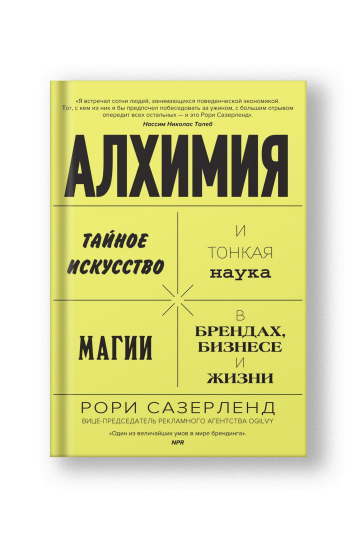
Rory Sutherland
Alchemy: The Dark Art and Curious Science of Creating Magic in Brands, Business, and Life (Alkhimiya)
£26.90

Sergey Ozhegov
Ozhegov's Explanatory Dictionary of the Russian Language (Tolkovyy slovar russkogo yazyka: Ok. 100 000 slov, terminov i frazeologicheskikh vyrazheniy)
£23.00


Readers Review
Leave a ReviewBe the first!
Leave a Review
There are no reviews for this book yet — be the first to share your thoughts! Your opinion matters greatly to us and fellow readers.